

























Our Secrets - How To Care for Calathea
Calathea, the Peacock plant. She's the most beautiful of the bunch... but she's also the most dramatic!
Tell me about the peacock plant
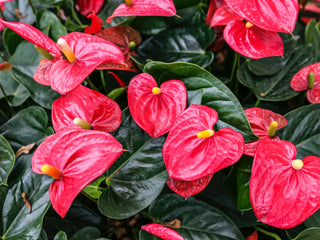
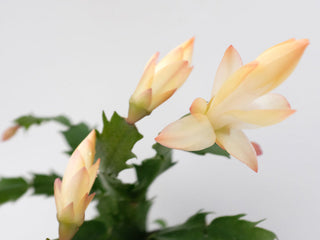
Flowers are not a feature of these plants; their leaves are the show stoppers!
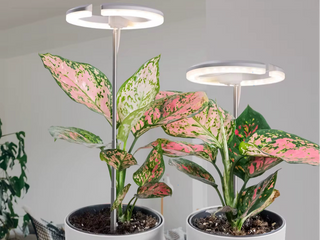
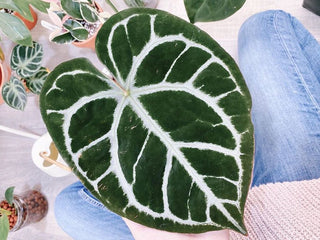
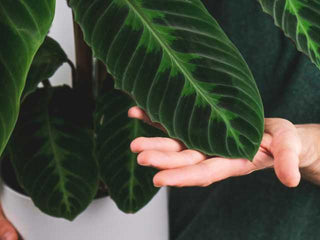
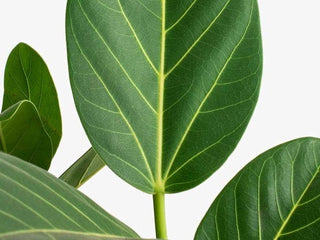
Calathea leaves are paddle-shaped, with some have impressive toothed or wavy margins giving a flattering effect. These leaves come in a range of colours and patterns combining contrasting light and dark markings. Some Calathea even have brught pink or red markings as if to say 'Look at me!'.
However, don't expect Calathea to be a snap to grow; inexperienced (and even experienced) growers can struggle. We like to think of them as the cool girls of the high school, they only want to know you when they need something.

How to care for Calathea plants
Light
Keep your Calathea in a bright position out of direct sunlight. If outdoors, stay in a bright, shaded spot.
Watering
These babes are fussy with their water! They like it *just* moist (not wet, not dry, just right), and they prefer not to get their leaves wet (we told you they were dramatic). If you're struggling to know exactly the right amount, we recommend bottom-up watering these guys. This allows your plant to suck up as much as he needs at the time, and avoids getting their hair wet. Just make sure to let them drain after wards - they don't like to be left sitting in water!
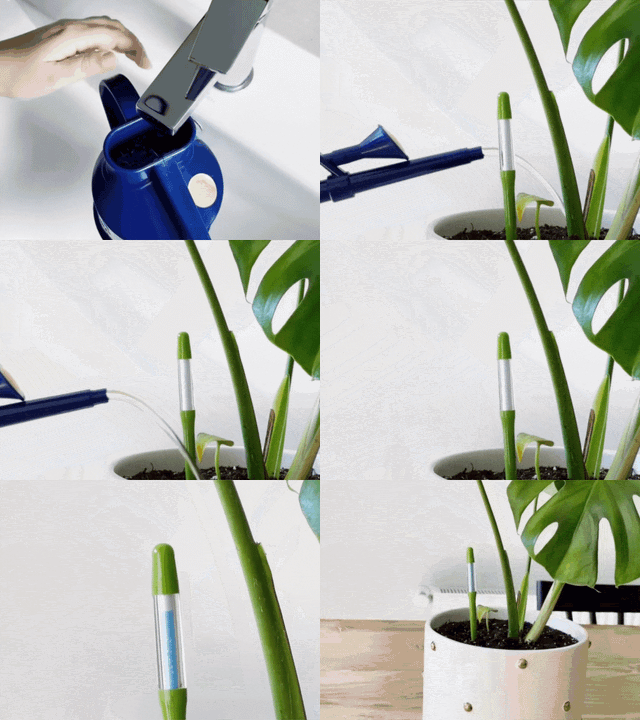
If you want to make it even easier, try our Waterwick devices. They allow your plant to bottom-water themselves whenever they need, all you have to do is make sure there's water in the reservoir. Watch the quick tutorial on Waterwicks here.
Winter water requirements will be less (try a Sustee if you're struggling). If your Calathea throws a few brown tips, change to filtered water. Your Calathea may be reacting to the fluoride in the tap water. We did say she was fussy!
 Humidity
This plant family comes from humid climates so where you can replicate, do so. Avoid keeping in air-conditioned spaces, and group your plants together to add humidity (they like that). If you have a humidifier, it will become your Calathea's new best friend!
Warmth
Once again, Calathea occur naturally in tropical climates, so it follows that they grow best in warm environments; a minimum temperature of 15 deg C will be required.
Fertilising
Fish/seaweed emulsion regularly will keep your plants looking good. We suggest a light spray with a half-strength solution every two weeks.
 Draughts
Avoid placing your Calathea in draughty places. Keep 'em away from colder winds a much as you can!
If you stick to these guidelines, your plants will do well!
Easier Calathea's to care for
If you want to ease your way into the Calathea family, try Calathea makoyana, Calathea rufibarba or Calathea freddy. They are a little more beginner friendly! Or, you could try bringing home a babe from the Ctenanthe family. They're just as gorgeous, but slightly less high maintenance.

Calathea Troubleshooting
Sometimes these babes don't look so good, let's see what we can do to help!
Crispy leaf margins
Indicate either drying out of soil or low humidity. Think about the location and your watering regime and adjust. Snip off sad leaves but remember mother nature never intended nature to be picture perfect.
Curled leaves, lacklustre appearance
comes from insufficient water. The plant is trying to tell you something, and that message is 'give me water'. Not to be confused with overwatering where the roots are drowning, the soil surface is wet and possibly green with algae.
 Rotting stems, yellow leaves.
 Rotting stems, yellow leaves.
Overwatering is the likely cause. Back off, buddy!
Try a different position, one that is brighter and warmer. Lastly, turn to the bathroom if you're about to lose it. Bathrooms tend to offer higher humidity.
Burnt tips, faded appearance
You put it out to catch the rain and then forgot it right? The rain was significant, but the sun has scorched it. Place it back where it belongs and try not to do it again. Don't remove the leaves; they will continue to make sugars for new leaf production; once these appear, cut the old leaves.
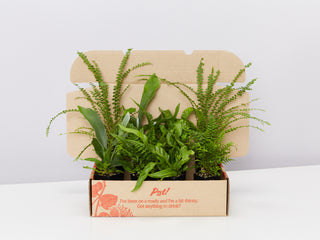
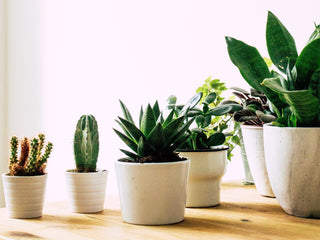
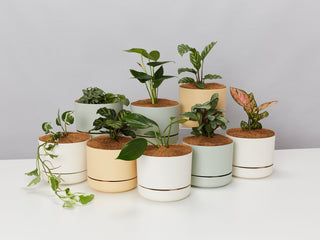
Calathea is super remarkable species to have, providing foliage joy in every home. Mix them with other indoor plants to give yourself a tiny touch of Amazonia and keep trying don't give up on them; you can grow a Calahtea, we just know it.
Shop the full Calathea collection!