

















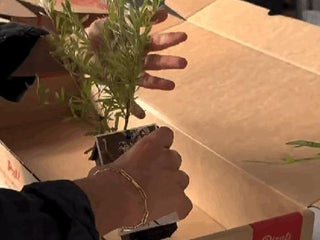
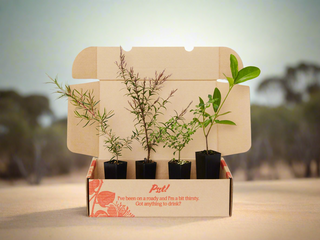






Gardening in Australia doesn’t have to stop during Winter. Here’s our top 3 areas that can keep on growing.
Gardening Tips for Planting & Watering in Winter
In some parts of Australis the BBQ is still cranking, shorts and thongs are still the desired daytime clothing code and even the beach and creeks are still getting a good workout.
The coolest month in Queensland is July with an average max temperature of 22°C and an average min temperature of 13°C. Northern NSW is only slightly cooler with an average max temperature of 19.5°C and an average min temperature of 12°C. Really not that cold, right!
Sounds like perfect conditions for getting those gardening gloves on and getting some winter sun therapy. Not too hot, not too cold, just right for you and the plants are pretty happy with those conditions too.
So don't think winter is all doom and gloom for our gardens. With some simple winter gardening tips, we’ll show you how you can cultivate plants during cooler conditions.

Winter gardening tips for Queensland and Northern NSW
Avoid overwatering
When the temperature drops and there are fewer hours of sunlight, gardens don’t lose nearly as much water due to evaporation. This means that soils can easily become waterlogged if overwatered (particularly on the southern side of your property or in shady areas).
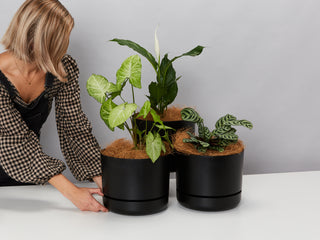
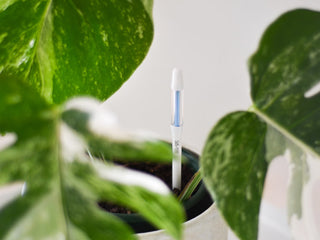
Being aware of overwatering is also important when taking care of houseplants in Winter.
To avoid overwatering, reduce the frequency and duration of watering sessions and make sure any automated watering systems are reduced as temperatures decrease. During cooler conditions, ensure that you only water in the morning (rather than the afternoon) and take care to water the soil around the plant (rather than the foliage). This will allow your soil to dry out before night time and reduce the likelihood of fungal disease and root rot. Allowing time for the foliage to dry before nightfall helps to reduce fungal and bacterial spots on the leaves.
Choose the right fertiliser
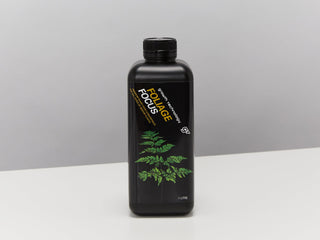
To fertilise or not to fertilise in winter, is a commonly asked question. Here is our take on it. If your plant is not growing then it really doesn’t need too much in the way of fertiliser. Bit of a waste of money really. There is one exception that we do recommend and that's Seasol or other liquid seaweed as a foliar feed. It's quite a mild fertiliser and if used every 2-3 weeks can help the plants to tolerate some of those cooler nighttime conditions.
Tackle larger gardening projects
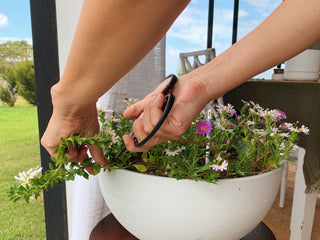
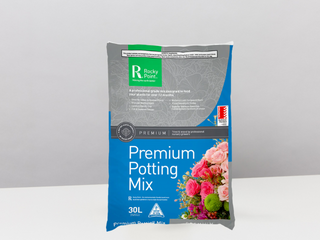
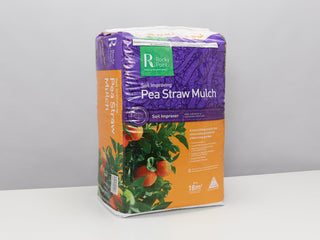
Winter is also a great time to get into some larger-scale gardening projects, as it’s much cooler. You can re-pot patio or balcony plants, set up and prepare new garden beds or improve the soil in established beds ready for Spring. Winter is also a great time to transplant some varieties of established shrubs as they are reasonably dormant in cooler conditions. Don’t forget to get that mulch down to create a buffer against those cooler nights, it helps to keep the soil warmer.

The best plants to grow in wintertime
Best plants for Sunshine Coast, Gold Coast and Northern NSW
If you live on the Goldie or Sunny Coast or Northern NSW chances are you’re all about the beach. The closer you are to the coastline the more wind and salt tolerant your garden needs to be. Luckily there are lots of wonderful coastal plant varieties that are hardy, drought-resistant and low fuss all year round!
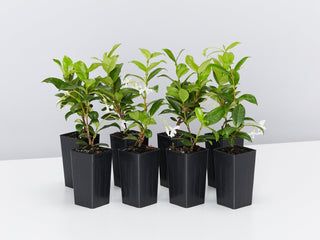
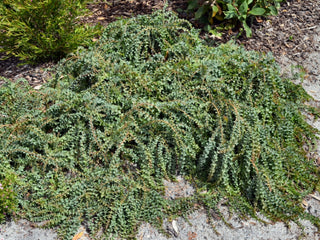
Some great options for a coastal look are Lilly Pilly, Dwarf Wild Iris and assorted grasses (e.g. Lomandra and Liriope varieties or Festuca glauca). If you favour the natives, some great options are Leptospermum, Grevilleas Pink Champagne, Lemon Frost and Creeping Boobialla. If you’re a succulent lover then you can create beautiful beds of Aloe Vera, Blue Chalksticks and Pigsface. You can shop our recommended plants for Sunshine Coast, Gold Coast and Northern NSW collection.

 Best plants for Brisbane
Residents of the greater Brisbane area are lucky enough to enjoy a blending of tropical and temperate climates. This opens up your planting palette to a large variety of plants, from striking tropical plants to more dignified cooler climate varieties. The Brisbane region has around 280 days of sunshine a year, which means winter is no excuse to stop gardening.
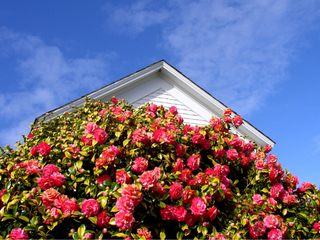
For hedging, you can’t go past Syzygium or Viburnum varieties and for ground cover you can brighten things up with some Cut Leaf Daisy, Yellow Buttons and Euryops pectinatus. If you’re looking for some flowering varieties with height, opt for Camellias (such as the Camellia sasanqua Leslie Ann) or Gardenias (such as the Gardenia augusta Radicans). Otherwise, go native with a selection of Grevilleas. Check out our recommendations for the best plants for the Brisbane region.

Best plants for Far North Queensland
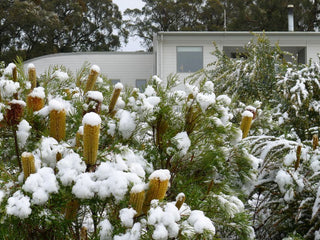
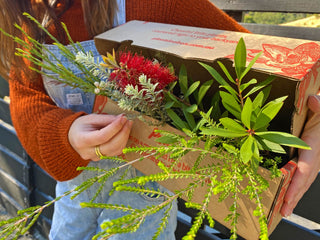
In Far North Queensland, winter is cooler and drier than down south. Tropical gardens are well suited to the far north, with stand out varieties such as palms, gingers, crotons, ferns and heliconias, Strelitzia, Clivea and Bougainvillea being happy to be planted all year round. Likewise, native varieties such as Callistemon Kings Park Special, Callistemon Firebrand and Swamp Banksia can be very successful when planted in winter, as they can harden off to the sun before the spring and summer heat. You can shop our Far North Queensland collection here.
Armed with our winter gardening tips and some climate-appropriate plant varieties you can continue to pot, prep and plant throughout the cooler months. So what are you waiting for guys? Start planting!