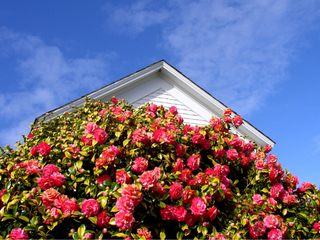
Once considered a bit old school, the vivid and vivacious bougainvillea is making a massive comeback – and for good reason!
Bougainvilleas are drought-tolerant, sun-loving climbers that thrive in most Australian climates. Plant them in full sun, in free-draining slightly acidic soil, water deeply every 3–4 weeks once established, prune lightly after flowering, and feed with a potassium-rich fertiliser to maximise blooms.
Drought tolerant, easy-going, and available in a huge number of vibrant varieties, bougainvilleas are one of the most forgiving flowering plants out there. With the right placement, pruning and precautions, you'll be well on your way to brilliant blooming bougs!
Where to Plant Bougainvillea: Best Position for Maximum Blooms
The key to a drop-dead gorgeous bougainvillea is all about getting the right amount of sunlight. Bougs are sun-loving plants which thrive in super sunlit locations. Search your garden for spots that have full sun (at least 6 hours a day) and plant your bougs there. The more sunlight they get, the more beautiful blooms they will produce.
Not only can bougainvilleas handle the heat – they perform super well under stress. They really dig dry conditions and will actually thrive from a bit of neglect once established. Bougs will pump out loads of blooms throughout the year providing they are placed in a warm sunny spot. They grow well in most Australian climates and are especially successful in tropical areas. They prefer a frost-free climate but can bounce back from lighter frosts.

Best Soil for Bougainvillea
Before you put your boug babes into the dirt, you need to check if your soil is good to grow! Bougainvilleas need open, crumbly soil that's not too acidic and not too alkaline. Bougs are happiest with a pH between 5.5 and 6.5 (slightly acidic). You can read more about correcting your soil's pH level here.
Bougs also don't like their roots sitting in water for too long, so you want a free-draining soil! Silty or loamy soils work best as they retain enough water to keep your bougs moist but not so much that it'll drown their roots. You can dig deeper into soil types and how to correct them here.
How to Grow Bougainvillea: Climbers, Hedges and Pots
Bougainvilleas are super versatile plants that can be used to brighten up a courtyard, create a stylish hedge, cover up ugly walls, adorn fences or decorate pergolas. They make for colourful hedging and tip-top topiary or can be popped into a hanging basket or a stylish pot to jazz up your balcony or patio.
How to Grow Bougainvillea as a Climber
Bougainvillea are natural born climbers and love nothing better than spreading upwards and outwards. If you're looking to grow your bougainvillea against a wall or fence, they'll need a bit of assistance to climb.
A great way to add some support is by hanging rows of wire, cage-like fencing against the surface you want to cover. Next plant your bougs in a line, about 20cm or so from the fence/surface and then simply tuck the branches behind or around your supports at regular intervals. The same goes for garden trellises! Before you know it, the vines will latch on and spread out, covering the surface in spectacular boug brilliance.

How to Grow Bougainvillea as a Hedge
If you're looking for an ornate screening hedge to give you more privacy, then you can't go past the bougainvillea. These dense flowering vines are perfect for creating solid screening with dense foliage. To create a nice dense screen of bougainvillea, evenly space a number of bougs in a row.
A good rule of thumb is to plant them 1 - 1.5 metres apart. If you're not sure about how big your Bougainvillea baby will grow, you can always refer back to our website.
How to Grow Bougainvillea in a Pot
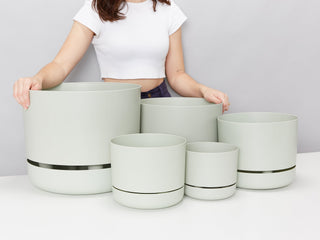
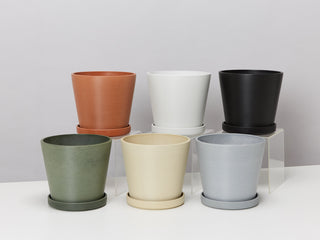
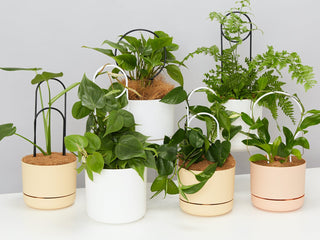
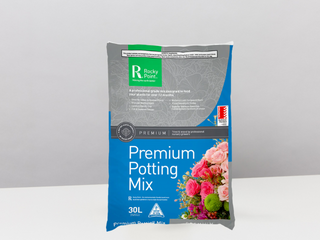
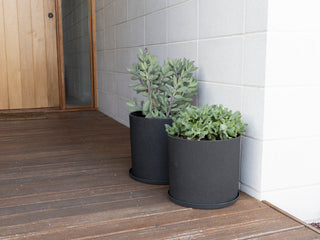
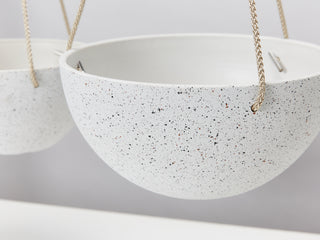
Bougainvillea are great candidates for pots, container gardens or even hanging baskets. Make sure the pot you choose has lots of drainage and that you use a good quality, free-draining potting mix. Don't use a potting soil with high levels of peat moss as they retain moisture and can result in root rot.
Bougainvilleas are happy in relatively small containers (even if their roots are slightly restricted) but like all plants, once things get too cramped, it's time to move your boug into a pot that's one size larger.
You can add some vertical supports to help your boug climb, or leave it without support to create a beautiful, cascading arrangement. You can even clip and prune well-established bougs to create gorgeous topiary.
The Red Dragon range of bougs are perfect for growing in pots and containers. These bougs, including the Bougainvillea Summer and Bougainvillea Pretty Purple, have a uniquely compact growth pattern, which provides stunning dense foliage and blooms. If you want a hanging basket boug, you can't go past the White Cascade

Do All Bougainvilleas Have Thorns?
Probably not what you want to hear, but yes — every boug has its thorns. But before you let that put you off, you need to know a bit more about them. Bougainvillea thorns help them get a grip on tree branches and other climbing surfaces so they can reach towards the sunlight.
All bougainvillea varieties are different — some have small thorns, and some have larger thorns. Today there are so many varieties to choose from, you are no longer limited to those with big thorns. Boug breeders have developed heaps of modern varieties which have modest spikes that won't shred your hands.
Bougainvillea Varieties: Colours and Sizes
Not only have boug breeders managed to reduce the size of thorns, they've also developed an array of different colours. While bougainvilleas were originally native to eastern South America and came in a small variety of colours (namely purples), there are now hundreds of boug colours out there. From pinks, purples and magentas, to reds,oranges, yellows and whites, Their spectacular flowers (coloured bracts or leaves) will bring a burst of colour to any garden.

When and How to Prune Bougainvillea
While bougs can be cut at any time, it's best to do it at the end of a flowering period. With larger varieties you you can prune about one third once or twice a year. For a nice compact hedge, tip pruning early and you will end up with a perfect floral display once you get it to the height you would like.
How Often to Water Bougainvillea
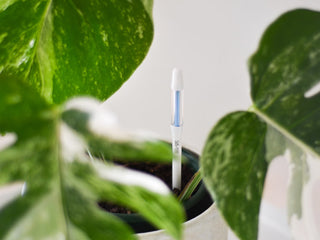
Bougs are drought-tolerant plants and don't like wet feet. That means they enjoy deep watering every 3 to 4 weeks once they're established. A good rule of thumb is to let at least the first 5cm of surface soil dry out between waterings.
When bougs are initially planted and still young they will need more watering to help them grow up big and strong. In the first 2–3 weeks after planting, water your bougs every 1–2 days, then gradually ease off. When the weather is cooler or wetter you will need to adjust your watering schedule so they don't get too soggy.
How to Fertilise Bougainvillea for More Blooms

For bougainvilleas you want to use a slow-release fertiliser during the growing season — so only once or twice a year! Make sure you check out the balance of NPK levels (Nitrogen, Phosphorus and Potassium) beforehand. Too much N (Nitrogen) will produce more leaves and growth without many blooms. If it's flowers you're after, you need more (K) Potassium. Wanna really get those blooms popping? The secret is a sprinkle of potash!
Ready to Bring on the Bougs?
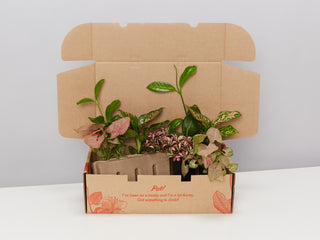
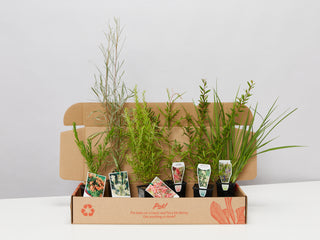
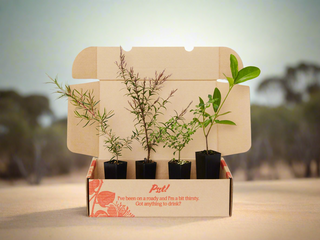
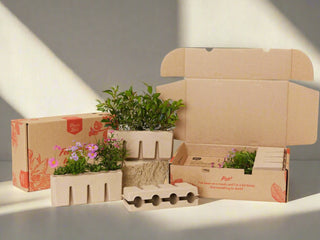
Ready to liven up your garden with bougainvilleas? You can browse our full range of bougs here. Not sure where to start? Shop our Assorted Bougainvillea Packs for an array of bright boug babes or contact our plant nerds for some suggestions. We're always happy to help!
Frequently Asked Questions About Bougainvillea
- How much sun does bougainvillea need?
- Bougainvillea needs at least 6 hours of full sun per day. The more sunlight it receives, the more blooms it will produce. It is one of the few flowering plants that thrives in all-day sunshine.
- How often should I water bougainvillea?
- Once established, water bougainvillea deeply every 3 to 4 weeks. Allow the top 5cm of soil to dry out between waterings. Newly planted bougs need watering every 1–2 days for the first 2–3 weeks.
- What is the best soil for bougainvillea?
- Bougainvillea prefers free-draining, slightly acidic soil with a pH between 5.5 and 6.5. Silty or loamy soils work best. Avoid heavy soils that retain too much moisture, as this can cause root rot.
- When should I prune bougainvillea?
- Prune bougainvillea at the end of a flowering period. Lightly tip-prune larger varieties to maintain shape and density. Dwarf varieties can be pruned more deeply a few times a year.
- Can bougainvillea grow in pots?
- Yes! Bougainvillea grows well in pots and containers. Use a free-draining potting mix, ensure the pot has good drainage, and repot when the roots become too cramped. Compact varieties like the Red Dragon range are ideal for pots.
- Do bougainvilleas grow in all Australian climates?
- Bougainvilleas grow well in most Australian climates and are especially successful in tropical and subtropical regions. They prefer frost-free conditions but can recover from light frosts.
About the Author
This guide was written by Debbie Prince, co-founder of Plants in a Box.
Debbie has been growing bougainvilleas for more than 40 years and still gets a thrill every time one bursts into flower. Over the decades, she has grown everything from compact varieties in pots to vigorous climbers covering fences and pergolas, giving her a practical understanding of how different bougainvilleas perform in real Australian gardens.
At Plants in a Box, we believe there's no substitute for hands-on experience. Some of the best gardening advice comes from years of growing, pruning, experimenting and learning what truly works.
Debbie has picked up a few tricks along the way and is always happy to share them, so you can enjoy healthier plants and more spectacular blooms in your own garden. 🌿