



























Calathea & Ctenanthe Care Guide: How to Keep These Fussy Plants Happy
Calatheas and Ctenanthes have a reputation for being difficult houseplants.
And honestly? We can see why.
One minute they're looking spectacular, with beautifully patterned leaves unfurling everywhere. The next, you've got a crispy brown edge, a curled leaf or a plant that appears to have dramatically given up on life.
But here's the secret: Calatheas and Ctenanthes aren't impossible to grow. They just like consistency.
Get their light, water, humidity and temperature right and these tropical foliage plants can make some of the most spectacular indoor plants around.
In this guide, we'll cover everything you need to know about Calathea and Ctenanthe care, including watering, tap water, light, humidity, temperature and what to do when those dreaded brown leaf edges appear.

What are Calatheas and Ctenanthes?
Calatheas and Ctenanthes are tropical foliage plants from the Marantaceae family. They're grown primarily for their spectacular leaves rather than their flowers.
Their foliage comes in an amazing range of patterns, colours and textures, from stripes and spots to deep green leaves with purple or burgundy undersides.
They're naturally found in warm, humid environments, often growing beneath the canopy of tropical forests. This gives us a pretty good clue about what they want at home:
Bright but filtered light, warmth, humidity and consistently moist soil.
And importantly, they don't appreciate being pushed to extremes.
Too much sun? Crispy leaves.
Too dry? Curling leaves.
Too wet? Yellowing leaves and unhappy roots.
Hard or fluoride-rich water? Potentially more crispy edges.
They're a little particular — but once you understand what they're asking for, they're much easier to care for.

How do you care for a Calathea or Ctenanthe?
The basics are simple:
- Light: Bright, indirect light
- Water: Keep the soil consistently lightly moist, but never waterlogged
- Water quality: Rainwater, filtered or distilled water can help prevent brown leaf tips
- Humidity: Higher humidity is preferred
- Temperature: Keep them warm and away from cold draughts
- Soil: Use a well-draining but moisture-retentive indoor potting mix
- Fertiliser: Feed lightly during active growth
The biggest mistake is thinking that these plants need lots of water.
They don't want to sit in soggy soil. They want consistent moisture with good drainage.

How much light does a Calathea need?
Calatheas and Ctenanthes prefer bright, indirect light.
Think about their natural environment: they're tropical understory plants, where they're protected from the harshest direct sunlight by taller plants and trees.
At home, position your plant somewhere with plenty of natural light but away from strong direct afternoon sun.
A little gentle morning sun may be fine, but intense direct sunlight can scorch the leaves and cause faded or brown patches.
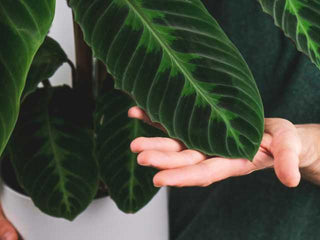
A good rule: if the sunlight feels harsh on your hand, it's probably too harsh for your Calathea.
If your plant is in a very dark corner, however, it may struggle to produce strong new growth.
 How often should you water a Calathea?
There's no magic watering schedule that works for every Calathea.
The amount of water your plant needs will depend on its pot size, soil, temperature, humidity, light levels and the time of year.
Instead of watering on a particular day of the week, check the soil.
Calatheas like their soil to remain lightly and consistently moist. Allow the surface to dry slightly between waterings, but don't let the entire root ball become bone dry.
At the same time, don't leave your Calathea sitting in water. Constantly saturated soil can deprive the roots of oxygen and contribute to root problems.
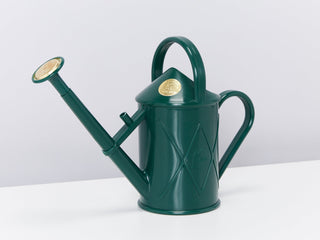
Our easiest watering tip
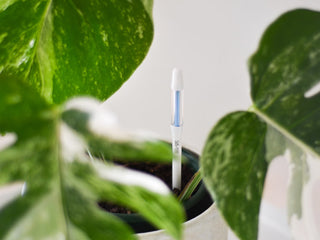
If you're someone who regularly forgets to check your plants, a Sustee moisture meter can make Calathea care much easier.
Rather than guessing whether the soil is dry underneath the surface, Sustee gives you a visual indication of the moisture available to the roots.
It's particularly handy through winter, when your plants generally use less water.

Can you water Calathea with tap water?
This is one of the most important things to know about Calathea care.
Calatheas can be sensitive to fluoride and mineral build-up in water. University extension guidance specifically notes fluoride sensitivity in Calatheas and recommends distilled or rainwater for sensitive plants.
For some plants, ordinary tap water is completely fine. But if your Calathea is developing brown, crispy leaf tips despite being watered correctly, your water quality is worth investigating.
What water is best for Calathea?
If possible, use:
🌧️ Rainwater
A great option if you have access to clean collected rainwater.
💧 Filtered water
A good alternative, although the effectiveness depends on the type of filter you use. Not every household water filter removes fluoride.
Distilled or reverse-osmosis water
Another option for particularly sensitive plants.
What about leaving tap water out overnight?
You may have heard that leaving tap water sitting overnight makes it better for houseplants.
This can allow some chlorine to dissipate, but it does not remove fluoride or dissolved minerals. So if fluoride or mineral build-up is the problem, simply leaving the water on the bench overnight isn't a complete solution.
If your Calathea is happy with your tap water, there's no need to panic. But if you're repeatedly seeing crispy brown margins despite otherwise good care, changing the water source is one of the easiest things to test.
And remember: existing brown tissue won't turn green again. Look at the new leaves that emerge after you've changed the conditions.

Why are my Calathea leaves turning brown?
Brown Calathea leaves are one of the most common problems people encounter.
And there isn't just one possible cause.
Brown or crispy leaf edges can be caused by:
- Tap water containing fluoride or a high mineral load
- Soil becoming too dry
- Low humidity
- Too much direct sunlight
- Cold or dry draughts
- Fertiliser or salt build-up in the soil
So before you immediately reach for the watering can, take a look at the whole picture.
Brown, crispy tips and edges
If the leaves are otherwise healthy but you're seeing crispy brown tips and margins, consider water quality and humidity first.
Calatheas are known to be sensitive to fluoride and mineral accumulation, and low humidity can compound the problem.
Curling leaves
Curling leaves can be a sign that your plant is getting too dry or is experiencing environmental stress.
Check the soil first.
If it's dry, give the plant a thorough drink and allow excess water to drain away.
If the soil is already moist, look at other factors such as temperature, humidity and light.
Yellow leaves and soft or rotting stems
This can be a sign of too much water or poor drainage.
Remember: Calatheas like moisture, but they don't want to live in a swamp.
Make sure your pot has adequate drainage and that excess water isn't sitting around the roots.
Bleached or faded leaves
Too much direct sunlight can scorch or fade Calathea foliage.
Move the plant further away from the window or somewhere with bright filtered light.

Do Calatheas need high humidity?
Yes.
Calatheas and Ctenanthes naturally grow in warm, humid environments, so they'll generally be happier when the humidity around them is higher.
You don't necessarily need to turn your house into a rainforest, though.
Try:
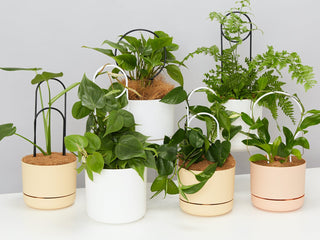
- Grouping several indoor plants together
- Placing plants in a naturally humid room such as a bathroom
- Using a humidifier
- Keeping plants away from heating and air-conditioning vents
Avoid placing them directly in the path of an air-conditioner or heater. Dry, moving air can quickly make those beautiful leaves look crispy.
What temperature do Calatheas like?
Calatheas and Ctenanthes are tropical plants, so they prefer warm, stable conditions.
Keep them away from:
- Cold draughts
- Cold windows in winter
- Air-conditioning vents
- Heaters
- Sudden temperature changes
As a general guide, aim to keep them above around 15°C, with warmer conditions preferred for active growth.

Should you mist a Calathea?
Misting can temporarily increase humidity around the leaves, but it isn't a substitute for maintaining good overall humidity.
If your home is particularly dry, a humidifier is a much more reliable way to increase humidity around your plants.
And remember, constantly wet foliage isn't necessarily beneficial either.
Focus on creating a good environment rather than trying to keep the leaves permanently wet.
How do you fertilise Calatheas?
Calatheas don't need to be heavily fertilised.
During active growth, a gentle, diluted indoor plant fertiliser can help support healthy new leaves.
Avoid over-fertilising, particularly if your plant isn't actively growing.
Excess fertiliser salts can build up in the potting mix and contribute to leaf-tip problems — another reason not to overdo it.

Are Calatheas difficult to grow?
They can be a little more demanding than some other indoor plants, but they're absolutely growable.
If you're new to Calatheas, start by getting the basics right rather than trying to perfect every little detail.
Give your plant:
✓ Bright, indirect light
✓ Consistent moisture
✓ Good drainage
✓ Warm temperatures
✓ Higher humidity
✓ Suitable water
✓ A little patience
That's really the secret.
And don't expect perfection.
A few brown edges don't mean you've failed. Plants are living things, and leaves naturally age and change.

Are Ctenanthes easier to grow than Calatheas?
Ctenanthes are closely related to Calatheas and have many of the same care requirements.
They're just as spectacular, with beautifully patterned foliage, but many plant lovers find Ctenanthes a little more forgiving.
If you've been nervous about trying a Calathea, a Ctenanthe can be a great place to start.
They still appreciate warmth, humidity, bright indirect light and consistent moisture — but you may find them slightly less dramatic about it.

Our favourite Calathea care tip
Don't wait until your Calathea looks sad to work out what it needs.
Check the soil regularly.
Watch the leaves.
Pay attention to the position of the plant.
And if you're getting unexplained brown tips, think beyond watering frequency — your water quality could be part of the problem.
Once you've worked out what your particular plant likes, Calathea care becomes much less mysterious.
And when those new, beautifully patterned leaves unfurl?
Totally worth it.
Ready to give Calathea a go?
Don't let their reputation scare you off.
With the right conditions and a little consistency, you absolutely can grow a happy Calathea at home.
Shop our Calathea & Ctenanthe collection
And if you need a little help along the way, we're always happy to talk plants.
Shop the full Calathea collection!