























Create Your Dream Balcony or Patio Space 🌿✨
Turning your balcony or patio into a leafy green oasis doesn’t just look good—it feels great too! A few simple tweaks and the right plants can take your outdoor space from “meh” to “wow!” But first things first—let’s make sure you’re picking the right plants for your space. The key is knowing your environment and how to make the most of it.
Step 1: Know Your Space 🌞💨
Before rushing out to buy plants, take a good look at your balcony or patio. It’s like getting to know a new friend—what’s their vibe? Here’s what to think about:
-
Sunlight:
How much sun does your outdoor space get? If you’re lucky enough to have a north-facing spot, you’re in for a sunny treat. South-facing areas might be a bit shadier, while east-facing spaces will bask in that soft, early morning sun. West-facing? Brace yourself for those strong, afternoon rays. Pick plants that match the light levels—sun-lovers like jasmine for the sunny spots, and shade-tolerant ferns for the cooler corners. -
Wind:
Got a breezy spot? Balconies and decks can get pretty gusty, which means your plants might dry out quicker than expected. Consider wind-resistant plants like hardy grasses or go the extra mile and set up some screens or larger pots to protect your greenery.

-
Space:
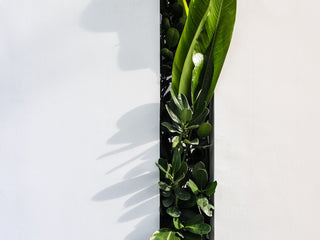
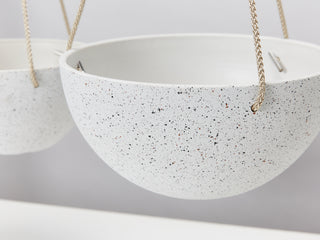
How much room do you actually have? If you’re working with a compact space, get creative! Go vertical with hanging baskets or wall-mounted planters. It’s like building a garden in the sky—more green, less clutter.
Step 2: Pick Plants That Fit Your Climate 🌏🌿
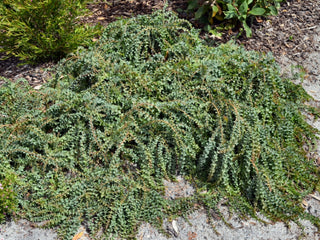
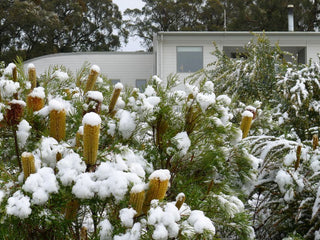
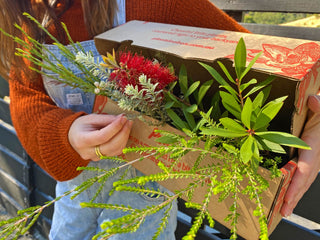
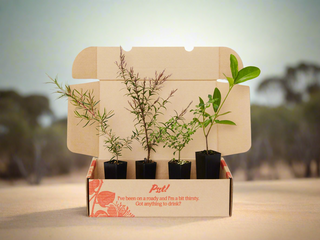
Australia’s climate is as diverse as the plants that live here, so be sure to choose plants that are suited to your area. Whether you’re near the coast, in a temperate zone, or up in the tropics, it’s best to go for native plants like westringia or bottlebrush. These natives are tough, low-maintenance, and ready to thrive in whatever weather your garden can throw at them.
Step 3: Choose Plants for Your Lifestyle 🌱
How much time do you have to care for your plants? If you’re more of a “water-and-forget” kind of person, low-maintenance beauties like succulents, cacti, and hardy natives like Lomandra or Dianella are your go-to. If you’ve got more time to devote to your garden, you can indulge in some more delicate plants like calatheas or ferns, which need a bit of TLC but reward you with stunning foliage.

Step 4: Pick the Right Pots for the Job 🪴💡
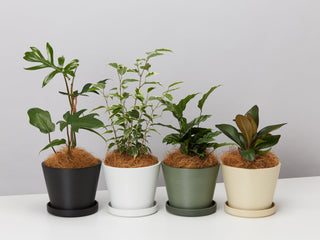
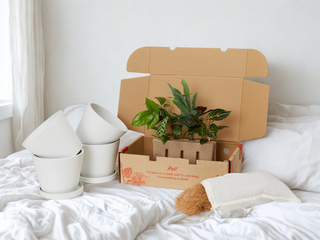
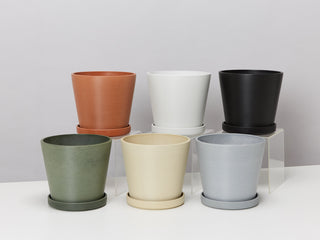
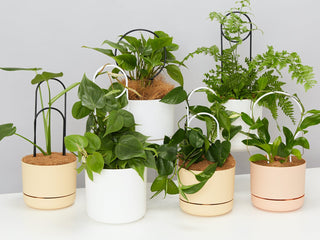
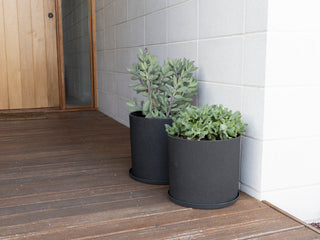
Choosing the right pot is almost as important as choosing the right plant. Make sure your pots have drainage holes—waterlogged plants are never a good look.
-
Size Matters:
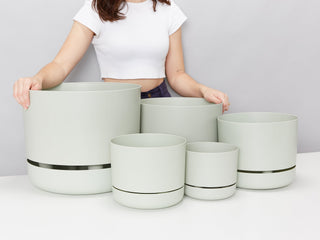
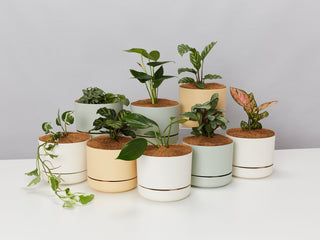
When choosing the pot, pick one that’s a little larger than the plant’s root ball. This gives the roots room to grow without being too cramped. For smaller plants, a pot that’s 2-5 cm larger in diameter than the current root ball is perfect. For larger plants or those that will grow over time, you can go up to 10-15 cm in diameter. Avoid going too large, though—it can lead to overwatering as the soil takes longer to dry out.

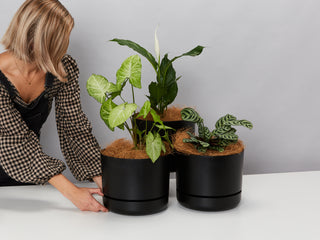
Lightweight pots are easier to move around, but if you need to anchor bigger plants or create a windbreak, go for a larger pot with more soil mass that will give better stability. The right pot will not only help your plants thrive but also keep your outdoor space looking neat and stylish.
Step 5: Plant with Purpose 🎯🌿
What do you want from your outdoor garden? A bit of everything, or a specific vibe? Think about your goals when choosing your plants:
-
For Aesthetic Appeal:
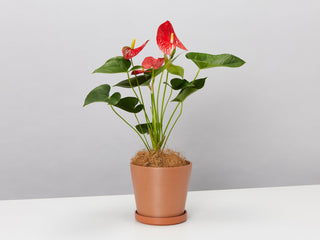
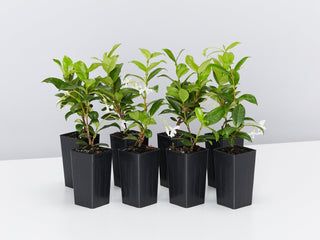
Mix it up with a variety of colours, textures, and heights. Add pops of colour with flowering plants like Radermachera or Jasmine, and balance it out with foliage plants like Birds of Paradise or Philodendron for texture.

-
For Privacy & Shade:
If privacy’s your goal, go for tall plants like Tiger Grass, Palms, or vine-covered trellises. These natural screens will give you the perfect space to relax without prying eyes. Bonus: they add a lush, tropical vibe too!
Step 6: Keep Your Garden Thriving 🌿💪
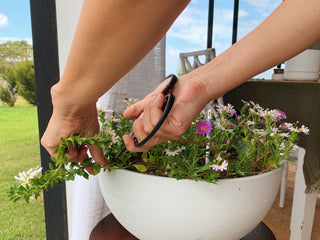
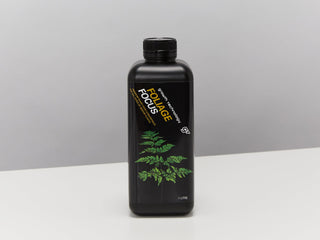
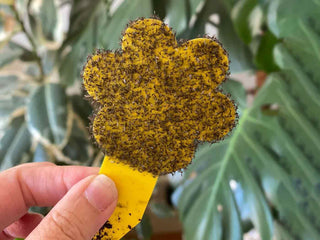
Plants need love—regular watering, fertilising, and a little TLC to stay healthy. Set a watering schedule that works for your plants, and try grouping those with similar watering needs together to make things easier. Don’t forget to keep an eye out for pests (they love plants as much as we do) and give your plants a little prune now and then to keep them growing strong.