























How to Make Your Soil Work for You: A Simple Guide for Thriving Plants 🌱
As the seasons change, your plants are probably thinking, "Can I get a little upgrade, please?" And we’re not talking about new pots or fancy plant food—we mean the soil they’re growing in! The right soil is the secret to healthy, happy plants. So, let’s get to the root of the problem—literally!
Before you rush out to buy a new batch of soil, it’s important to know what you’re working with. Does your garden soil need a little TLC? Or is it already a perfect home for your plants? Don’t worry, we’ll walk you through how to figure out what type of soil you’ve got and how to make it the best place for your plants to grow.
Step 1: Dig in and See What You’re Working With
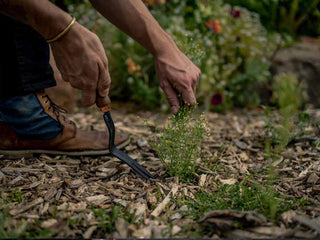
First things first—grab a trowel and take a good look at your soil. The texture and feel of your soil can tell you a lot. Here’s how to break it down:
-
Sandy soil: If it feels gritty and drains quickly, you’ve got sandy soil. Plants like succulents and cacti love it, but it might not be great for plants that need a lot of moisture.

-
Clay soil: If it feels sticky or heavy, you’re dealing with clay soil. It holds onto water (which sounds nice, right?), but it can also get compacted and make it harder for roots to breathe.
-
Loamy soil: Ah, the holy grail of soil! If it feels soft, crumbly, and holds moisture without being too soggy, you’ve got loamy soil. It’s ideal for most plants—your garden is basically a VIP lounge for your plants.
-
Peat-rich soil: If your soil feels moist and a little spongy, it might have a good amount of peat in it. Plants that love acidic conditions (like blueberries) will thrive in this.
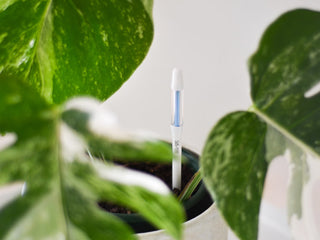
Step 2: Test Your Soil’s pH Level (It’s Easier Than You Think!)
Now that you know what texture your soil has, it's time to test its pH. Why? Well, soil pH determines how easily your plants can access the nutrients in the soil. Some plants love acidic soil, while others prefer alkaline conditions. Testing your soil’s pH gives you the info you need to adjust it to suit your plants' needs.
For a detailed guide on how to test your soil’s pH, check out our in-depth blog on pH testing here.
Step 2: Fixing What You’ve Got
So, now that you know what’s going on beneath the surface, it’s time to make your soil work for you. If you’ve got soil that’s not quite perfect, don’t worry—we’ve got a few tricks to help.
If You Have Sandy Soil:
-
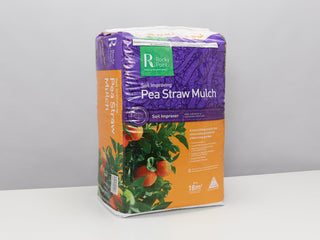
Add organic matter: Mixing in compost, mulch, or well-rotted manure will help sandy soil retain water and nutrients. Just make sure the manure is well-rotted and free of grass and weed seeds.
-
Go for plants that love dry conditions: Succulents, lavender, and cacti are your sandy soil friends.
If You Have Clay Soil:
-
Add organic matter (again): This is the magic ingredient. It will help improve drainage and loosen things up, so roots can breathe easier.
-
Consider adding sand: Just a little bit of coarse sand can help break up the clay and improve drainage. However, avoid using beach sand as it contains too much salt, which can harm your plants.
-
Go for moisture-loving plants: Lomandra, Callistemons, and ferns will thrive in clay soil.
If You Have Loamy Soil:
-
Lucky you! Your soil is basically the VIP section of the garden. Just keep it healthy by adding compost every season to maintain that perfect balance.
Step 3: Don’t Forget the Pots!
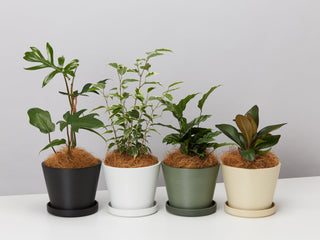
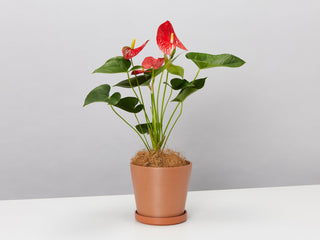
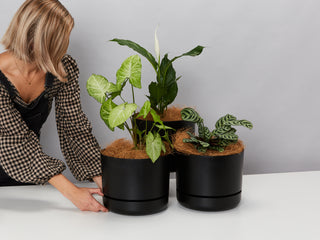
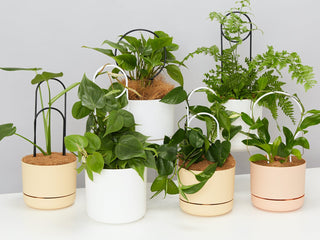
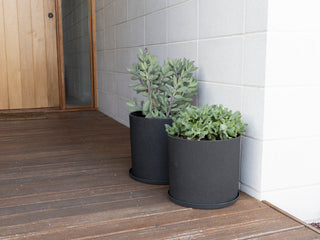
If your garden space is more cozy than sprawling, pots are your best friend. They allow you to control the soil quality and are perfect for giving your plants room to grow, even in small spaces.
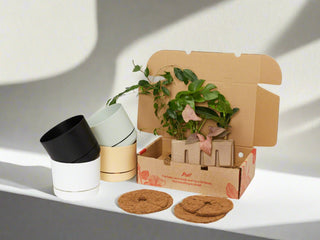
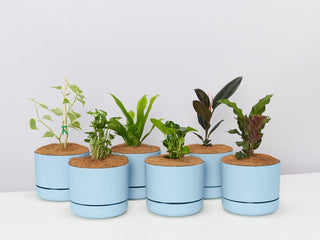
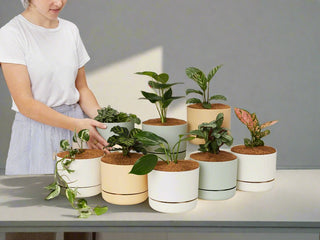
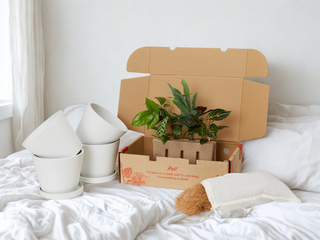
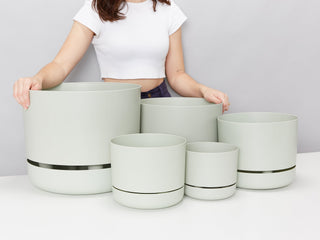
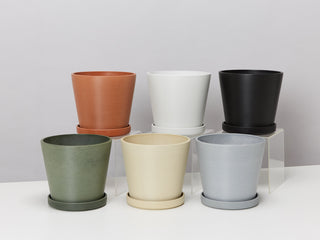
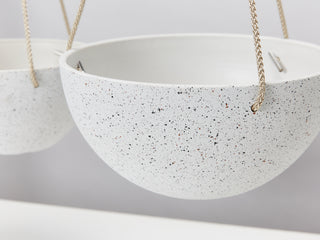
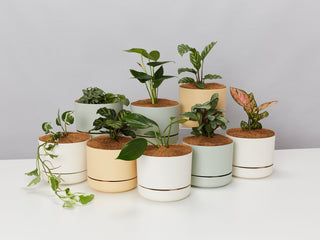
Not only do pots let you pick the right soil, but they’re also portable—so if your plants are getting a little too much sun or not enough, just move them around! Our new range of pots will help your plants branch out and thrive, whether you’ve got a tiny balcony or a full-on backyard. And one important tip: make sure you take the drainage plugs out of the pots so the soil can drain freely. Good drainage is key to keeping your plants healthy and happy. Our new range of pots will help your plants branch out and thrive, whether you’ve got a tiny balcony or a full-on backyard.

Get Your Garden Growing!
Now that you know how to figure out what soil you’ve got, it’s time to make it work for you! Whether you need to tweak your existing soil or start fresh, a little effort goes a long way in creating a garden that thrives.
Happy gardening! 🌿