



























Spring Maintenance for Indoor Plants: Give Your Houseplants a Fresh Start
Winter is finally behind us, the days are getting longer, and your indoor plants are starting to wake up.
After spending the cooler months growing more slowly, many houseplants are ready to put on some fresh growth as spring arrives. That makes this the perfect time for a little indoor plant maintenance — not a complete overhaul, just a few simple jobs to help your plants head into the warmer months looking their best.
From removing yellow leaves to adjusting your watering routine, here’s our spring checklist for happy, healthy indoor plants.

1. Start with a little spring clean ✂️
Take a good look at each of your plants and remove any dead, damaged or yellowing foliage.
Leaves naturally age and die, so finding the occasional yellow leaf is nothing to worry about. Removing them helps tidy up your plant and allows it to put its energy into new growth.
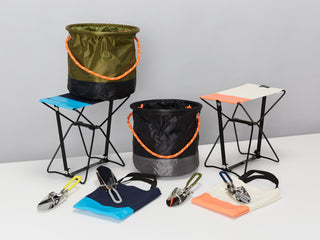
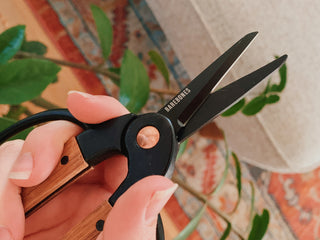
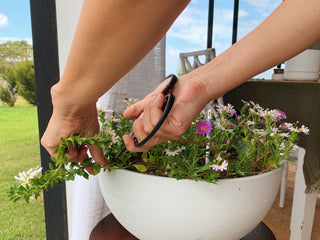
Use a clean, sharp pair of scissors or secateurs and snip the leaf or stem close to the base.
While you’re there, check for:
- Dead or damaged leaves
- Brown or crispy foliage
- Spent flowers
- Leggy or weak-looking growth
- Dusty leaves
- Any signs of pests
Give those leaves a clean, too
Indoor plants collect dust — especially over winter when windows tend to stay closed and there’s less airflow.
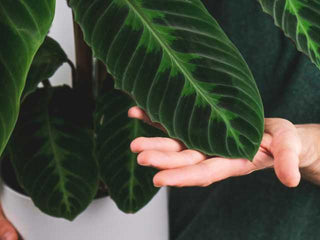
A gentle wipe with a damp, soft cloth can remove dust from larger leaves and help your plants look fresh again. For smaller or delicate foliage, a gentle shower or rinse can do the job, provided the plant is happy with it.
Avoid leaf-shine products. Your plants don't need them!

2. Keep an eye on your watering 💧
One of the biggest changes you'll notice as spring arrives is that your plants start drinking more.
As temperatures rise and daylight increases, plants generally become more actively growing and can use water more quickly than they did through winter.
But don't automatically jump from watering once every couple of weeks to watering every few days.
The best watering routine depends on your plant, pot size, potting mix, position and the conditions inside your home. Instead, start checking your plants more regularly and water when the plant actually needs it.
A simple spring watering check
Before watering, check the moisture in the potting mix.
If the mix is still damp, give it a little more time. If it has dried out and your plant needs a drink, water thoroughly and allow excess water to drain away.
And remember — more growth doesn't necessarily mean more water every single day. The goal is to respond to what your plant is telling you.
Want an easier way to know when to water?
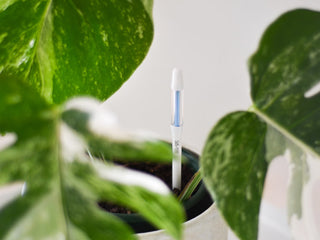
This is where we absolutely love a Sustee Water Meter.
Sustee takes the guesswork out of watering by giving you a visual indication of the moisture available to your plant. It's particularly handy as the seasons change, when your usual watering routine may suddenly stop being quite right.
Rather than watering on a set day because "that's when I always water my plants", you can check the Sustee and water when your plant actually needs it.

3. Time to start feeding 🌱
Spring is also the time when many indoor plants begin producing fresh new growth.
Once you can see your plants actively growing again, it's a good time to start fertilising.
During winter, many indoor plants slow down considerably, so there's generally less need for regular feeding. As growth picks up in spring and summer, plants need access to nutrients to support all that new foliage.
We recommend the Growth Technology range for feeding indoor plants.
For leafy indoor plants, Foliage Focus is an easy go-to. It's formulated specifically for foliage plants and can be incorporated into your regular watering routine.
If you've got a collection of different plants, don't feel like you need to throw fertiliser at everything at once. Start feeding as plants begin actively growing and follow the recommended dilution and frequency for your chosen fertiliser.
More fertiliser isn't better — stick to the instructions!

4. Has the sun moved? Your plants might need to, too. ☀️
Here's one that's easy to overlook.
The sun doesn't stay in the same place throughout the year, and neither does the amount of light coming through your windows.
A plant that was perfectly happy in a particular spot during winter might suddenly be receiving much stronger afternoon sun as spring progresses. On the flip side, a spot that seemed nice and bright during winter may not provide enough light for a plant that is now putting on lots of new growth.
Have a wander around your home and look at your plants with fresh eyes.
Ask yourself:
Is this plant getting more direct sun than it was a few months ago?
Is new growth stretching towards the window?
Are leaves looking pale, scorched or unusually small?
Has another plant or piece of furniture changed the amount of light reaching it?
You don't necessarily need to move everything. But spring is a great time to reassess your plant positions and make small adjustments where needed.
Remember that different plants have different light requirements. A plant that loves bright indirect light may not appreciate being suddenly moved into harsh direct afternoon sun.

5. Check for pests before new growth takes off 🐛
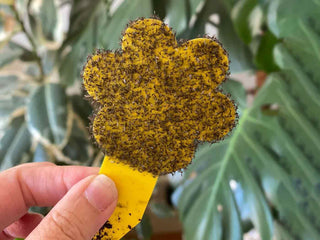
Spring's fresh new growth is exciting — but unfortunately, pests like it too.
While you're cleaning and checking your plants, have a close look at the undersides of leaves, stems and new growth.
Keep an eye out for:
- Small insects
- Sticky leaves
- Fine webbing
- Speckled or distorted leaves
- Clusters of insects around new growth
Catching a pest problem early is much easier than discovering half your plant collection has joined the party!
If you spot something unusual, isolate the affected plant from the rest of your collection while you work out what's going on.

6. Check the roots and pots while you're at it 🪴
You don't need to repot every plant just because it's spring.
However, if a plant has been in the same pot for a long time, spring is a good opportunity to check whether it has outgrown its home.
Signs that a plant may be ready for a bigger pot can include roots filling the pot, roots growing from the drainage holes, or the plant drying out unusually quickly after watering.
If the plant is happy and growing well, leave it be!
Repotting is best done because the plant needs it — not simply because the calendar says it's spring.

7. Get ready for a season of growth 🌿
The biggest thing to remember about spring indoor plant care is that your plants are waking up.
After a slower winter, you may start seeing new leaves, fresh shoots and generally more active growth. Your job is simply to adjust your care routine to match.
Your spring indoor plant checklist:
☐ Remove dead and yellowing leaves
☐ Clean dusty foliage
☐ Check plants more regularly for watering needs
☐ Adjust watering as growth and temperatures increase
☐ Start fertilising once plants are actively growing
☐ Check whether changing sunlight has affected plant positions
☐ Look out for pests
☐ Check whether any plants need repotting
And that's about it!
No complicated plant-care schedule. No need to repot the entire house. Just a little seasonal maintenance and a closer look at what your plants are telling you.
Spring is when things start happening — and if your indoor plants are happy, you should start seeing plenty of new growth to show for it. 🌱
Shop indoor plant care at Plants in a Box
Need a little help keeping your indoor jungle thriving?
From Sustee Water Meters that make watering easier to Growth Technology fertilisers for feeding your plants as they grow, we've got the plant-care essentials to help your indoor plants make the most of spring.
Because happy plants = happy plant nerds. 💚