
































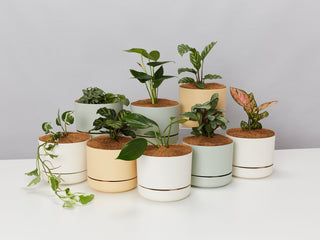


The Art of Watering Plants: A Gardener's Comprehensive Guide to Hydration
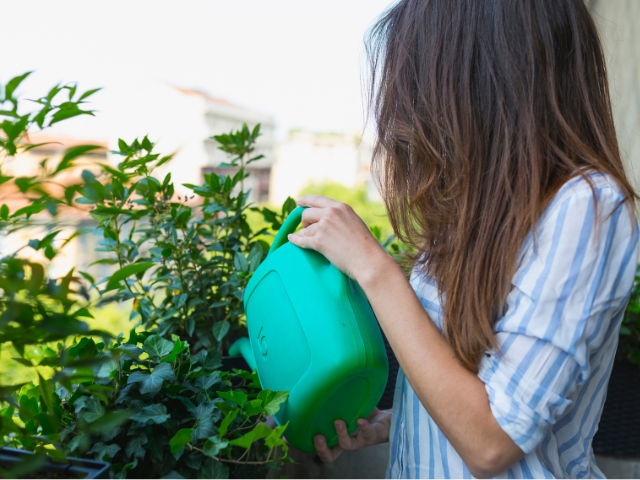 Water – the elixir of life, not only for humans but for our green companions too, especially as we transition out of the warm Australian summer. Nurturing your garden's flora with just the right amount of liquid love can mean the difference between a flourishing oasis and a desolate landscape. But how do you know when you've quenched your plants' thirst enough, especially with the climate shifts and the arrival of milder weather?
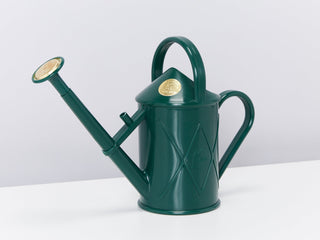
Mastering the Watering Can Basics
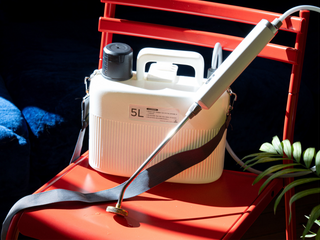
Before we jump to complex irrigation practices, mastering the basics is key. Your plants' water needs depend on many variables, such as plant type, soil type, and weather. A good rule of (green) thumb is to water thoroughly when the top inch of soil is dry to touch.
However, as we wade into a cooler climate, the needs of your garden shift — less evaporation, potentially more rainfall, and as a result, plants are less likely to wilt from thirst. Ensuring that you adjust your watering schedule is crucial in conserving water and maintaining plant health.

Understanding the Soil
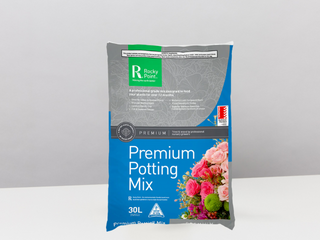
Your plant's life literally begins from the ground up – the soil. Soil type dictates water retention levels. In preparation for the cooler seasons, consider amending your garden bed with compost to improve water absorption and retention.

Reading the Signs
Knowing when to water is a dance of observation. Wilting is an obvious sign of dehydration, but there are subtler cues like yellowing of lower leaves or a reduction in flowering. Acquaint yourself with these signs as you adjust your watering regime.
Tailoring Watering Practices to Seasonal Shifts
In Australia, autumn and winter bring cooler temperatures and, in many regions, increased precipitation. This natural water cycle provides an opportunity to dial back on your manual watering.
Cooler Weather, Less Water
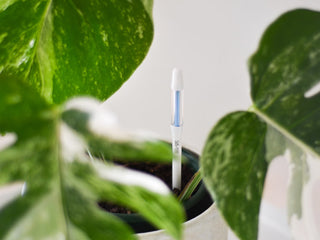
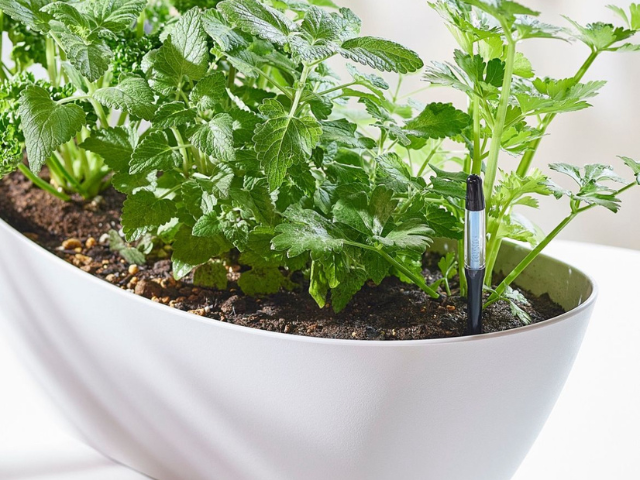
With temperatures dropping, plants' metabolic rates slow down, reducing their immediate need for water. Use a moisture meter or simply dig a finger in the soil to gauge hydration levels more accurately.
Rainwater Harvesting
Transition your water source from taps to the sky whenever possible. Install rain barrels to capture nature's gift for use during dry spells.
The Deep Watering Technique
Towards autumn, focus on deep, less frequent watering rather than shallow daily drinks. This encourages plant roots to grow deeper and makes them more resilient to dry spells. A soaker hose or drip irrigation system can be ideal tools for this approach.
Sustainable Watering Solutions for the Long Haul
Sustainability isn’t just a buzzword – it's a way of life. Implementing eco-friendly watering solutions not only conserves resources but also encourages a more robust garden ecosystem.
Mulching for Moisture Retention
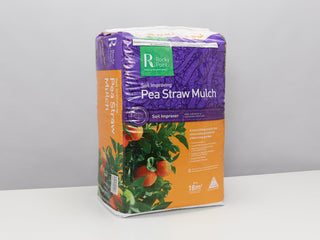
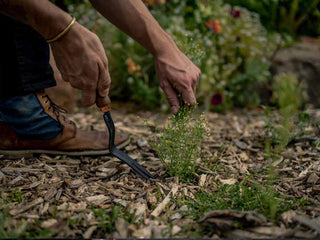
Mulch is the garden's blanket. Spread a layer around your plants to lock in moisture, suppress weeds, and insulate roots during temperature drops.
Smart Irrigation Systems
Leverage technology to automate your watering needs with precision. Smart irrigation controllers can adjust watering schedules based on real-time weather data, ensuring your garden gets what it needs, when it needs it, without wasting a drop.

Drought-Resistant Plant Species
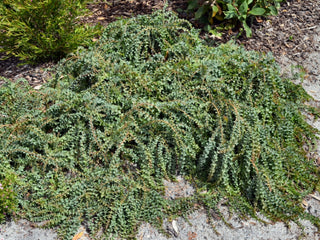
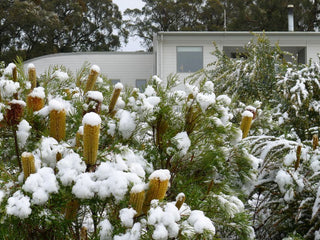
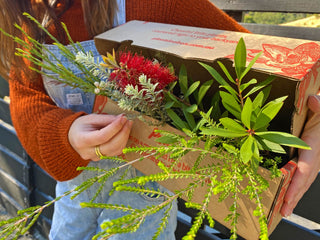
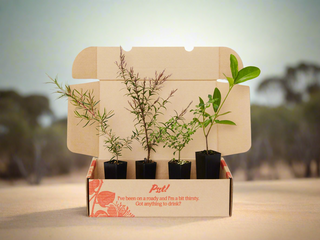
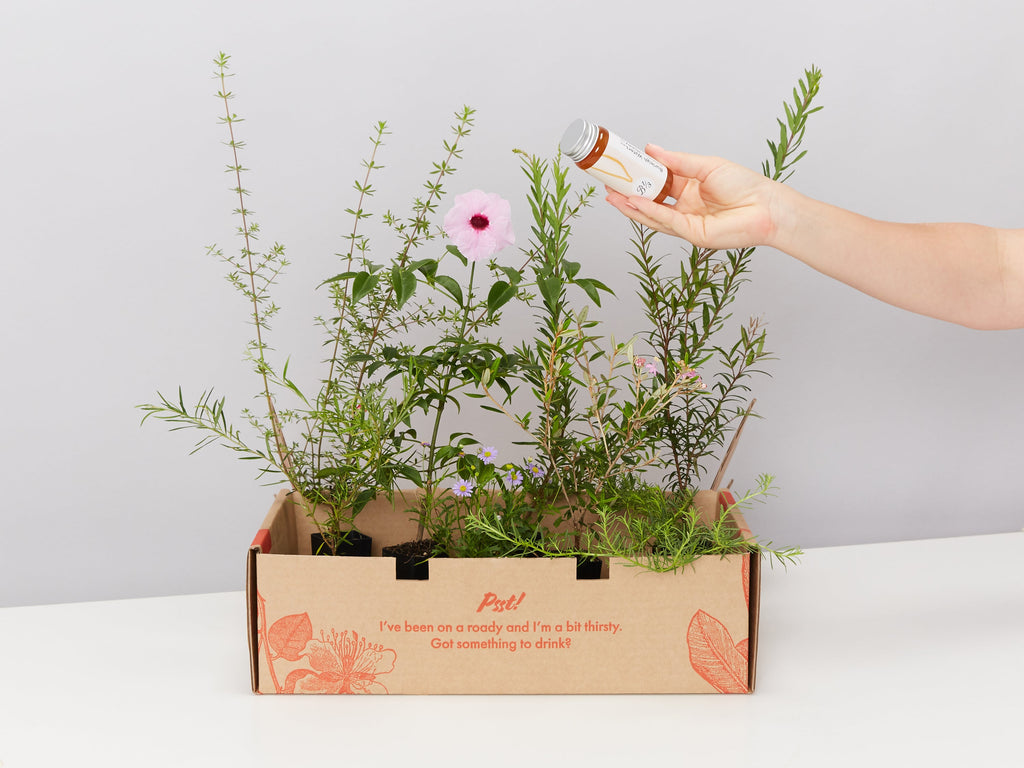
Introduce drought-resistant plants to your garden, especially if you live in areas prone to water restrictions. These Australian native varieties can thrive with minimal water, reducing the overall demand on your watering resources. They are quickly becoming the top pick for Australians to spruce up their gardens, and it's easy to see why.
Enhancing Plant Health through Watering Habits
Caring for your plants' health is a continuous investment, and watering is a critical component. Consistent, thoughtful watering routines can lead to stronger, more vibrant plant life.
Morning is Prime Time
Water your plants in the morning when the sun is not at its peak. This gives them a chance to absorb the water before it evaporates and minimises the risk of fungal diseases, which thrive in damp, warm conditions.
Adjusting for Microclimates
Your garden is a microcosm of environments, from full sun to shady nooks. Adjust your watering practices accordingly, understanding that plants in sunny, windy areas may need more water than those who enjoy cooler, shadier spots.

Fertilisation and Watering
Sometimes, a deep watering session after fertilising can help carry the nutrients down to the root zone more effectively, feeding the plants where it matters most.
Wrapping Up
Watering your plants is as much an art as it is a science. It requires a keen eye, a good understanding of your garden's needs, and a commitment to sustainable practices. In our collective Australian gardening journey, it is crucial to adapt to environmental changes, both natural and those influenced by season fluctuations and climate shifts.
Staying attuned to your garden’s state and responding with informed, sustainable watering practices can help in nurturing a beautiful, resilient outdoor space that not only survives but thrives, even as the weather cools. Remember, the joy of gardening is not just the end result, but the continuous learning and connection to the natural world. Happy watering!