

























🌿 Why Are My Indoor and Garden Plant’s Leaves Turning Yellow?
🌿 Why Are My Indoor Plant’s Leaves Turning Yellow? (And What to Do About It)
Yellowing leaves can be a bit of a heart-sink moment for any plant parent. The good news? Your plant is just trying to tell you something — and once you know what to look for, it’s easy to turn things around.
Here’s how to tell what's going wrong, how to fix it, and which indoor plants are most at risk.
🍃 1. New Leaves Turning Yellow? It Could Be a Nutrient Issue
If the new growth is yellowing while older leaves remain green, it’s often a sign of a nitrogen deficiency.
✅ What is Nitrogen Deficiency?
Nitrogen helps fuel lush green growth. Without it, young leaves can turn pale or yellow.
🌱 How to Treat It:
-
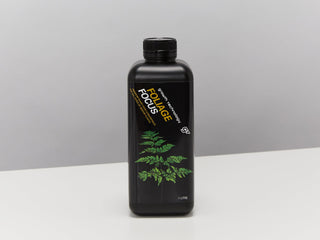
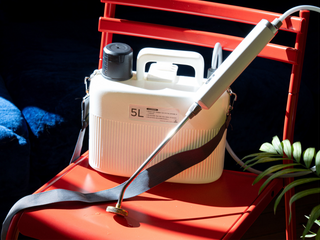
Foliar feed (quick fix): Use a liquid foliar spray every 7–14 days. This gives your plant a fast nitrogen boost.
-
Slow-release fertiliser (long fix): Feeds over time — usually 3–12 months, depending on the type.
💡 Hot tip: We recommend using both — a foliar spray for quick results, and a slow-release fertiliser to maintain steady growth.
🌿 2. Yellowing on Specific Indoor and Outdoor Plants?
Some plants are more sensitive to iron or magnesium deficiencies.
Plants commonly affected:
-
Gardenia
-
Murraya
-
Citrus
-
Peace Lily
-
Fiddle Leaf Fig
-
Spider Plant

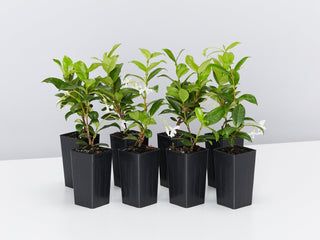
Photo of Murraya that has nitrogen and iron deficiency
🧪 Iron Deficiency Symptoms:
-
Yellowing new leaves with green veins
Fix: Apply Iron Chelate or a liquid iron supplement.
🧂 Magnesium Deficiency Symptoms:
-
Yellowing on older leaves, especially between the veins
Fix: Use Magnesium Sulphate (Epsom salts) diluted in water.
💧 3. Overwatering: The #1 Culprit
Let’s be real — most yellow leaf drama starts here. When there's too much water, roots can’t breathe. The soil becomes oxygen-starved, roots start to rot, and plants can’t take up nutrients.
⚠️ How to Fix Overwatering:
-
Let the soil dry between waterings
-
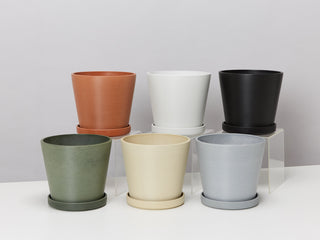
Always use pots with drainage holes
-
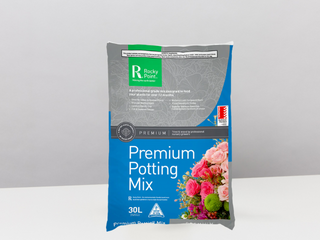
Avoid dense potting mixes that hold too much water
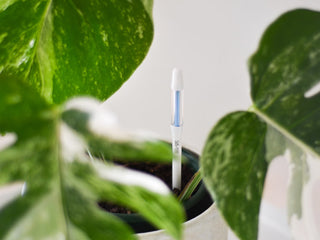
💚 Sustee Water Checkers are our go-to solution. They tell you exactly when to water — no guessing. Thousands of plants saved and counting.
☀️ 4. Is Your Plant Getting Enough Light?
Light powers photosynthesis, which produces chlorophyll — the green pigment in leaves. Too little light = yellow leaves.
💡 What to Do:
-
Move the plant closer to a bright window or skylight
-
Avoid harsh direct sun unless your plant loves it (like cacti or succulents)
-
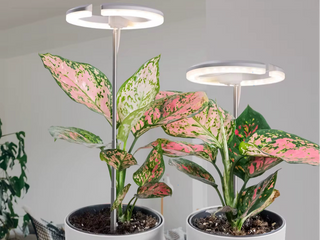
No natural light? A grow light or Smart Garden is your new best friend
🐛 5. Could It Be Pests?
Yellow leaves can also mean your plant is being attacked. Some bugs damage roots or leaf cells, preventing your plant from absorbing water and nutrients.
👀 Common pests:
-
Fungus gnats – larvae feed on roots
-
Spider mites – suck plant juices from leaves
🧴 How to Treat:
-
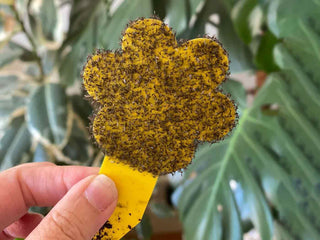
Fungus gnats – Use sticky traps for adults, and drench the soil with neem oil or a mild biodegradable detergent.
-
Spider mites – Treat with neem spray or sulphur spray
✅ Final Yellow Leaf Checklist
Before you panic, check these:
✔️ Is the soil too wet or too dry?
✔️ Is your plant getting enough light?
✔️ Is it time to feed your plant?
✔️ Any signs of pests?
Plants don’t talk — but their leaves do. Yellowing is just your plant asking for a little help. 💚
Need Help Choosing the Right Treatment?
Our team is here to help!
Shop our plant care range or get in touch for friendly advice.