























Why Plant Food/Tonics and Plant Fertilisers are Not the Same Thing
Ever found yourself pondering the mysteries of liquid plant food/ tonics and fertilisers? At first glance, they seem like botanical twins, but dive below their leafy disguises and behold their striking differences.

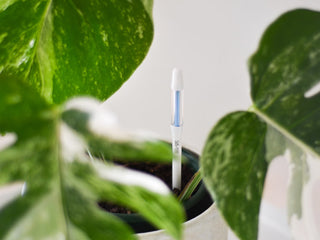
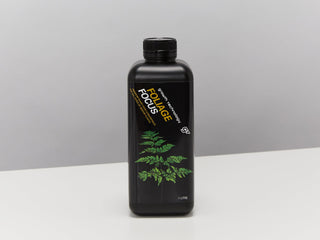
If you've been serenading your greens with the more common bottled liquid plant food, brace yourself for a revelation: it's not a real fertiliser! Time to rethink our garden wizardry and let's take a closer look at what is the difference between the on-trend droppler bottle that tends to be filled with liquid food vs the plant fertilisers.

While there's no denying the wonders of liquid plant feeds and their fellow seaweed products for your lush thriving plants, let's not forget that they can't replace the magic touch of fertiliser!

Imagine your plants craving a hearty meal to help them grow strong and healthy. They yearn for a delicious plate filled with Nitrogen, Phosphorus, and Potassium - the macronutrients they can't live without! But now, picture liquid feed as the dish being served. Just a tiny dab of these vital nourishments, barely even noticeable. Your plants are left hungry, still longing for more life-sustaining NPK they desperately need to flourish. Don't be the one who serves an unsatisfying meal to your plants - make sure you're providing the powerhouse nutrients they truly crave!
Plant Food vs. Fertiliser
The biggest difference between something like a liquid plant food and fertiliser is their purpose. Liquid plant food is designed to provide plants with the essential nutrients their bodies need to survive and thrive. In other words, it provides plants with the energy they need to grow. When you feed your plants plant food, it helps them fight off diseases and pests, encourages blooming and fruiting, and supports overall growth. Unlike fertiliser, plant foods and tonics can be applied at any time of the year and at any time of day. It can also be applied in any weather conditions, including on very hot or cold days or when it is wet. Can you put too much plant feed - on plants? When compared to stronger products like fertiliser, it is very difficult to do damage with liquid feed like Seasol. However, it’s best to avoid using an excessive amount, especially on young or newly transplanted plants that may cause a nutrient imbalance in the soil.
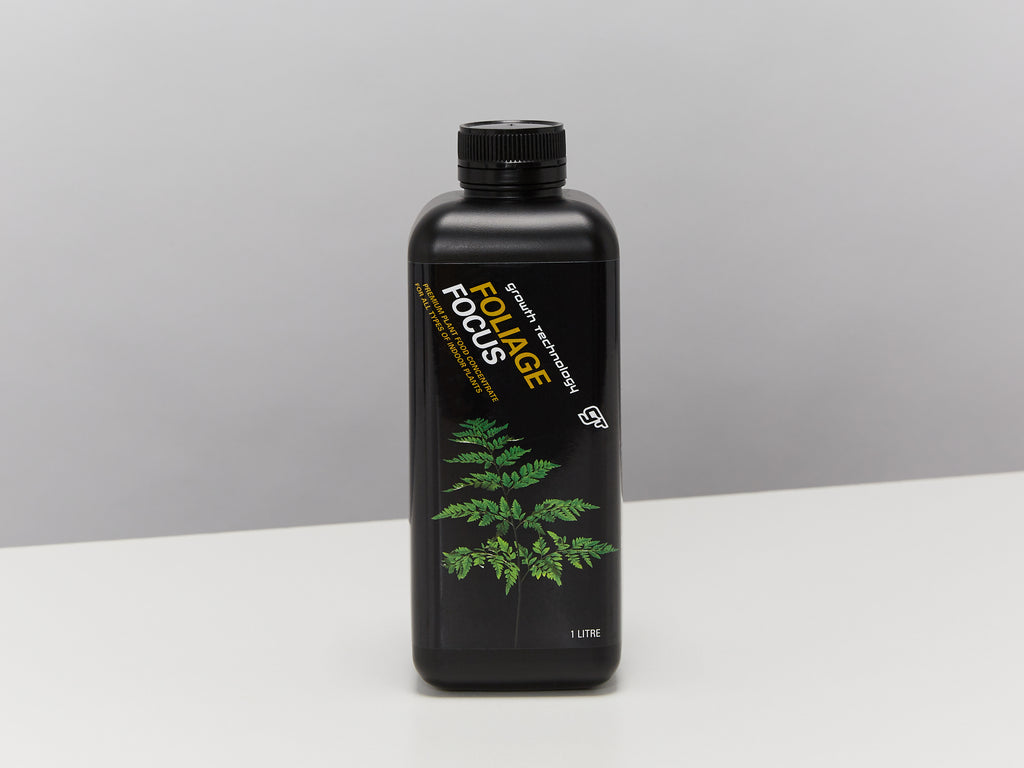
Fertiliser, on the other hand, is designed to provide additional nutrients specifically for growing strong roots or producing bigger flowers or fruits. Different types of fertilisers are often used depending on the type of plant being grown; some fertilisers work better for vegetables while others are more effective on trees or native plants & flowers. It's important to note that fertilisers contain more concentrated levels of certain nutrients than liquid plant food does—which means you should be very careful not to over-fertilise your plants as this can be damaging or even fatal in some cases! Finally, another key point worth noting is that fertiliser works best when it's applied directly to soil or added during planting rather than sprayed onto leaves—so make sure you read the instructions before using any fertiliser product!

So now we know that there are major differences between liquid plant food and fertiliser—but they're both essential tools in helping your pants flourish! Whether you're looking for something to give your plants an extra boost of energy or something specifically designed to help them grow bigger fruits/flowers/roots, there's definitely a product out there that can do just that! Just make sure you do your research so you know exactly which one will work best for your plants needs.