























The Ultimate Winter Houseplant Survival Guide
Keep your indoor jungle thriving this winter.
Winter changes the way your houseplants grow. Shorter days, cooler temperatures and indoor heating all affect how much light, water and humidity your plants receive.
A few simple adjustments now can help keep your plants healthy until spring.
💧 Water Less, Check More
One of the biggest winter mistakes is watering on autopilot.
As temperatures drop, most indoor plants slow their growth and use much less water. The potting mix stays damp for longer, making overwatering one of the most common causes of unhappy houseplants.
Before reaching for the watering can, check the soil first. If it's still moist a few centimetres down, wait a few more days.
Plant Nerd Tip: A slightly thirsty plant usually recovers much faster than one sitting in soggy soil.
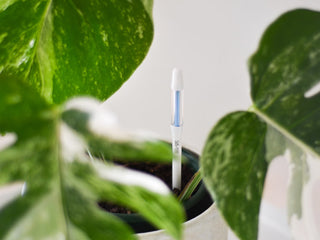
We swear by the Sustee Water Meter - it's saved countless plants worldwide!

☀️ Chase the Winter Sun
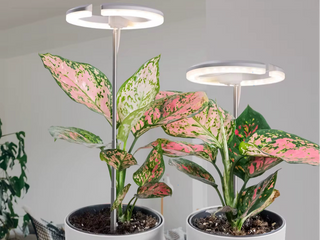
Winter sunlight is weaker, so your plants may need a brighter position than they did in summer.
Move them closer to a bright window with plenty of indirect light, but avoid placing tropical plants against cold glass or in chilly drafts.
Sometimes moving a plant just a metre or two can make all the difference.

🔥 Cosy for You. Stressful for Your Plants.
There's nothing better than warming up with the heater on—but your houseplants might disagree.
Heaters, fireplaces and reverse-cycle air conditioning create warm, dry air that can quickly dry out leaves and lower humidity. This often leads to crispy brown leaf tips, drooping foliage and stressed plants, even if you're watering correctly.
Keep your plants away from direct blasts of hot air and heating vents, while still giving them plenty of bright, indirect light.
Plant Nerd Tip: If you're comfortable sitting right in front of the heater, your plant probably isn't.
🐛 Winter Pest Patrol
Think pests disappear in winter?
Unfortunately, many pests love the warm, stable conditions inside our homes.
Take a minute each week to inspect:
• Under the leaves
• New growth
• Along the stems
• Around the surface of the potting mix
Catching pests early makes them much easier to manage.

Know Your Winter Pests
🕸 Spider Mites
Signs: Fine webbing and tiny pale spots on leaves.
Love: Warm, dry indoor air.
⚪ Mealybugs
Signs: White fluffy clusters around stems and leaf joints.
Tip: Remove early with a cotton bud dipped in rubbing alcohol.
🟤 Scale
Signs: Small brown bumps attached to stems or leaves.
Tip: Gently remove by hand before they spread.
🪰 Fungus Gnats
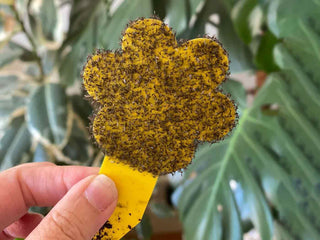
Signs: Tiny black flies hovering around the soil.
Usually means: Your potting mix is staying too wet.
Allow the soil to dry a little more between watering.
READ MORE: Common Houseplant Pests and How to Get Rid of Them
🌱 Should You Fertilise?
Many indoor plants slow their growth during winter, but that doesn't always mean feeding needs to stop.
If your plant is still actively producing new leaves in a warm, bright position, continue feeding lightly. If growth has paused, simply wait until spring before resuming regular fertilising.
Winter Plant Essentials
Give your indoor jungle everything it needs to make it through winter.
Featured products:
• Sustee Moisture Meter
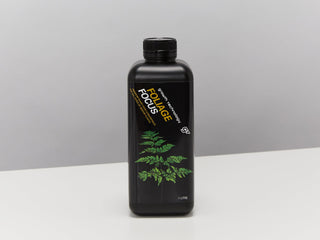
• Growth Technology Foliage Focus
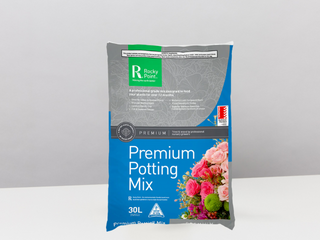
• Rocky Point Organic Potting Mix
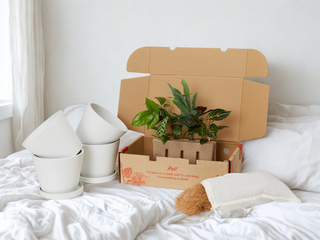
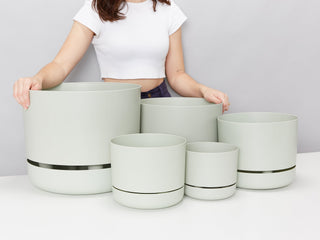
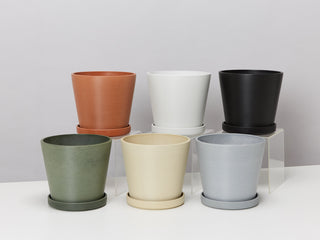
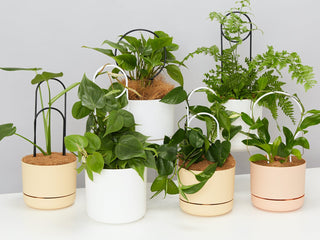
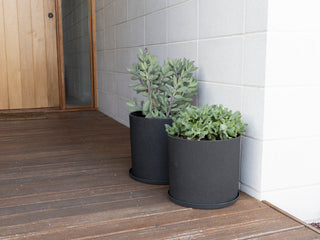
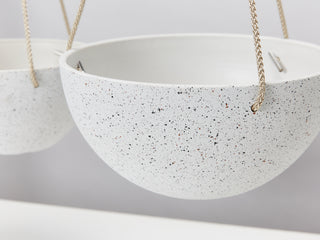
• Decorative Pots
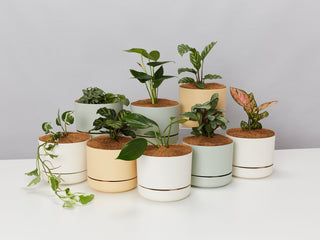
• Self-Watering Pots
SHOP NOW: Indoor Plant Care Essentials
🌿 Plant Nerd Tip
Yellow leaves don't always mean your plant needs more water.
During winter, they're often a sign that the soil is staying wet for too long. Checking the moisture before watering is one of the easiest ways to prevent root rot and keep your plants happy all season long.