

























Drought-Proof Your Garden: Water-Wise Plants for the Australian Summer
Is your garden ready for a hot, dry Australian summer?
With El Niño now established across the Pacific and forecasts pointing towards a strong to very strong event, there’s good reason to start thinking about how your garden will cope with the months ahead.
El Niño doesn't mean every part of Australia will automatically experience drought. But historically, it increases the chance of drier conditions across much of Eastern Australia, particularly through Winter and Spring. And with summer just around the corner, now is a great time to make your garden a little more water-wise.
The good news? A drought-tolerant garden doesn't have to mean a garden full of dusty, boring plants.
The trick is choosing plants that are naturally equipped to handle heat, dry spells and plenty of sunshine — and getting them established before the really hot weather arrives.
What is a drought-tolerant garden?
A drought-tolerant garden is designed around plants that can cope with less frequent watering once established.
This doesn't mean you can plant a tubestock plant, never water it and expect it to thrive! Even drought-tolerant plants need regular watering while they're establishing their root systems.
But once established, the right plants can handle periods of dry weather much better than thirsty varieties.
Australian native plants are particularly useful because many have evolved to cope with our country's naturally variable rainfall, hot summers and periods of drought.
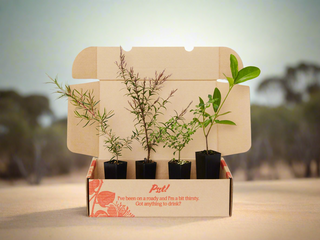
At Plants in a Box, we've always been big fans of hardy, low-maintenance plants — especially Australian natives, succulents and other water-wise varieties.
1. Go native 🌱
If you're looking to reduce the amount of water your garden needs, Australian native plants are a great place to start.
Grevilleas, Westringia, Lomandra, Leptospermum and Myoporum are just some of the hardy Australian plants that can perform beautifully with relatively little water once established.
They also bring another big bonus: wildlife.
Many native plants provide food and habitat for Australian birds, bees and other beneficial garden visitors.
Our range includes plenty of native options for creating a water-wise garden, from flowering shrubs to grasses and groundcovers.
Our native drought-tolerant picks:
🌸 Grevillea
Grevilleas are one of our favourite choices for a sunny, low-maintenance garden. They're hardy, flowering and fantastic for attracting birds.
🌿 Westringia
Often called Australian native rosemary, Westringia is a seriously tough little shrub. It's useful for hedging, borders, pots and coastal gardens, and produces flowers that native bees love.
🌾 Lomandra
If you need something tough, look no further. Lomandra is one of those plants that can handle a pretty impressive range of conditions. It's fantastic for mass planting, borders, slopes and poolside gardens.
🌱 Myoporum
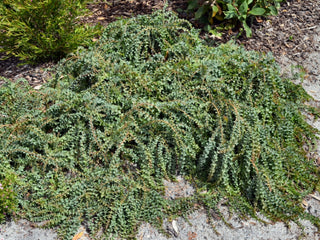
Creeping boobialla is a fast-growing native groundcover that's useful for covering bare soil, suppressing weeds and creating a low-maintenance garden layer.

2. Bring on the Bougainvillea 🌺
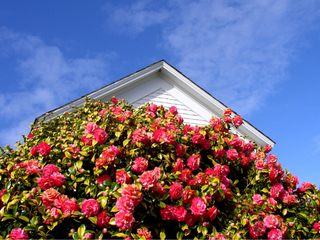
If you want colour without a constant watering schedule, bougainvillea deserves a spot on your summer garden shortlist.
These sun-loving climbers are famously tough once established and are particularly well suited to warm Australian gardens.
Give them:
-
Full sun
-
Free-draining soil
-
Good drainage
-
A deep drink while establishing
-
Less frequent watering once they're established
And they'll reward you with an incredible display of colour.
In fact, bougainvillea is one of the classic drought-tolerant flowering plants for Australian gardens.
So if your dream garden is more Mediterranean holiday than dust bowl, this is your sign to plant a boug.

3. Don't forget the succulents 🌵
Succulents are basically the water-saving champions of the plant world.
Their fleshy leaves and stems are designed to store water, making them naturally suited to dry conditions.
They're particularly useful for:
-
Sunny garden beds
-
Rockeries
-
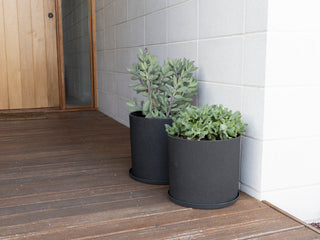
Pots and containers
-
Balconies
-
Courtyards
-
Coastal gardens
-
Low-water landscaping
Blue Chalksticks, for example, bring gorgeous blue-grey colour and architectural form to a sunny garden. They're also a great option if you're after that modern, sculptural look.
Just remember: drought tolerant doesn't mean swamp tolerant.
Excellent drainage is essential for succulents. Let the soil dry between watering rather than keeping them constantly damp.

4. Create layers instead of a lawn
One of the easiest ways to make a garden more water-wise is to rethink how much lawn you really need.
Large areas of lawn can require significant watering to stay green through a hot Australian summer.
Instead, consider creating a layered garden with:
Tall plants → shrubs → grasses → groundcovers
For example:
🌿 Lomandra for texture
🌸 Grevillea for flowers and wildlife
🌿 Westringia for structure
🌱 Myoporum for groundcover
🌵 Succulents for architectural detail
Planting densely also helps shade the soil, reduce evaporation and suppress weeds.
The result? A garden that looks full, interesting and intentional — without needing to be watered every five minutes.

5. Mulch is your garden's best friend
Choosing drought-tolerant plants is only half the job.
The next step is keeping moisture in the soil for as long as possible.
A good layer of organic mulch helps:
-
Reduce evaporation
-
Keep soil temperatures more stable
-
Protect plant roots from heat
-
Suppress weeds
-
Improve soil health over time
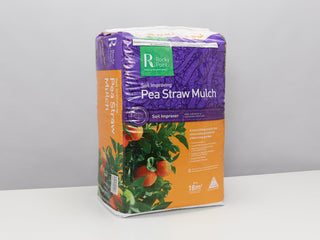
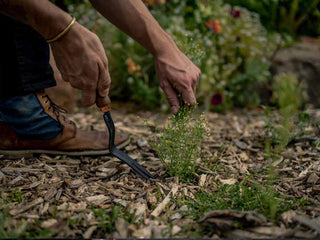
Aim for around 5–7cm of mulch, keeping it slightly away from plant stems. Never place mulch too close to your plant stems either, as this can lead to stem rot and mould in your beautiful plants.
Remember, too much mulch is not always better! Mulch that in any deeper than 10cm runs the risk of actually blocking water and oxygen reaching the soil and encouraging pest habitat.
Think of mulch as a blanket for your garden — except in summer, it's helping keep everything cool rather than cosy.

6. Water deeply, not constantly
When the rain stops falling, it's tempting to reach for the hose every day.
But frequent, shallow watering can encourage plants to develop roots close to the surface — exactly where the soil dries out fastest.
Instead, when watering is needed, water deeply and thoroughly.
This encourages roots to grow further down into the soil, where moisture tends to remain for longer.
Early morning is generally the best time to water because temperatures are cooler and there's less evaporation.
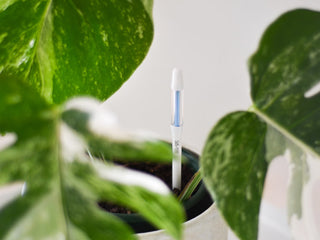
And before you water, check the soil.
If it's still damp below the surface, put the hose down and have a coffee instead. ☕🌿
Our guide to summer watering has more tips on deep watering, mulching, watering times and checking soil moisture.

7. Plant before summer, not during it
Here's one of our biggest tips:
Don't wait until your garden is already struggling to make it drought tolerant.
Spring is a great time to get new plants into the ground, giving them time to establish their roots before the hottest part of summer arrives.
New plants will still need regular watering while they establish — even if they're considered drought tolerant.
Once established, however, many hardy natives and succulents can cope with significantly less water.
That's why choosing the right plant and planting it at the right time makes such a difference.

Our favourite Plants in a Box choices for a water-wise garden
If you're planning a drought-tolerant garden this spring, these are some of the plants we'd put at the top of the list:
🌺 Bougainvillea
For big colour, full sun and a Mediterranean feel.
🌸 Grevillea
For flowers, wildlife and a hardy native garden.
🌿 Westringia
For hedges, borders, pots and coastal gardens.
🌾 Lomandra
For tough, textural planting that can handle challenging conditions.
🌱 Myoporum / Creeping Boobialla
For fast-growing, low-maintenance groundcover.
🌵 Blue Chalksticks
For a sculptural, modern succulent look.
And if you're not sure where to start, our Drought Tolerant collection is a great place to browse plants suited to creating a lower-water garden.

A drought-proof garden doesn't have to be boring
We think the best water-wise gardens are anything but boring.
Mix different leaf shapes, textures, heights and colours. Add flowering natives for the birds and bees. Use succulents for architectural shapes. Bring in grasses for movement. Add a bougainvillea for a hit of colour.
The result can be a garden that's beautiful, wildlife-friendly, low-maintenance and better equipped to handle a hot, dry summer.
And with the 2026–27 El Niño event expected to influence Australian weather patterns, there's no better time to start preparing.
Don't wait for the first 40°C day to discover your garden is thirsty.
Get your plants established now, mulch well, water wisely and choose plants that are built for the Australian climate.
Your future summer self — and your water bill — will thank you. 🌿💚
🌱 Ready to make your garden more water-wise?
Explore our Drought Tolerant Plants, Australian Native Plants and Succulent Gardens and start building a garden that's ready for whatever summer throws at it.