





























Frost Tolerance Explained: What Frost Means & How to Protect Your Plants
Winter brings cooler temperatures, crisp mornings and, in many parts of Australia, frost. While some plants shrug off frosty conditions, others can suffer significant damage after just one cold night.
Understanding what frost is, what frost tolerance ratings mean, and how to protect your plants can help you create a garden that thrives through winter.

What Is Frost?
Frost occurs when temperatures near the ground fall to 0°C or below, causing moisture in the air to freeze into tiny ice crystals.
These ice crystals form on leaves, stems, flowers and exposed surfaces. While frost itself may appear harmless, it can damage plant tissues by freezing the water inside plant cells. When the ice thaws, cells can rupture, leaving foliage blackened, wilted or mushy.
Frost is most likely to occur on:
- Clear nights
- Calm, wind-free conditions
- Inland areas
- Valleys and low-lying sites
- Elevated regions and tablelands

What Do Frost Tolerance Ratings Mean?
When shopping for plants, you'll often see terms such as "light frost tolerant" or "frost hardy to -5°C". These ratings indicate the lowest temperatures a plant can generally withstand once they are established.
Frost Sensitive
Above 0°C
These plants may suffer damage even during a very light frost.
Examples include:
- Hibiscus
- Mandevilla
- Frangipani (young plants)
- Poinciana
- Tropical gingers
Light Frost Tolerant
Down to approximately -2°C
These plants can usually withstand occasional light frosts but may experience minor leaf damage during colder events.
Examples include:
Moderate Frost Tolerant
Down to approximately -5°C
These plants generally cope well with regular winter frosts and recover quickly from any minor damage.
Examples include:
- Grevillea
- Westringia
- Lavender
- Rosemary
- Escallonia
- Correa
Heavy Frost Tolerant
Down to approximately -8°C to -10°C
These plants are well suited to colder regions and can tolerate repeated frosts throughout winter.
Examples include:
- Photinia
- Nandina
- Japanese Maple
- English Box
- Hebe
- Many deciduous ornamental trees
Very Frost Hardy
Below -10°C
These plants are suitable for Australia's coldest regions and mountain climates.
Examples include:
- Many conifers
- Deciduous fruit trees
- Oaks
- Elms
- Some cold-climate native species
It's important to remember that frost ratings are guides only. Factors such as plant age, soil moisture, wind exposure and the duration of the frost all affect how well a plant performs.

Why Do Young Plants Suffer More From Frost?
A mature, established plant is often far more resilient than a newly planted one, or fresh tubestock.
Young plants have:
- Smaller root systems
- Less stored energy
- Softer stems and foliage
- Reduced ability to recover from damage
Even a plant rated to -5°C may need protection during its first winter while it becomes established.
Signs of Frost Damage
Frost damage often becomes visible after the sun rises, ice melts and frozen tissues begin to thaw.
Common symptoms include:
- Blackened leaves
- Brown leaf edges
- Wilted growth
- Drooping stems
- Damaged flower buds
- Burnt-looking new growth
The newest and softest growth is usually affected first.

How to Protect Plants From Frost
Cover Vulnerable Plants
Use frost cloth, hessian or old sheets to trap warmth overnight.
Cover plants before sunset and remove coverings the following morning.
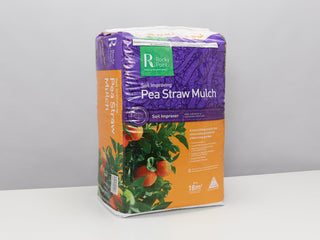
Mulch Around Plants
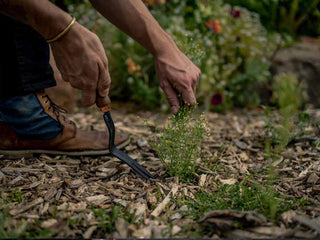
A 5-10cm layer of mulch helps insulate roots and reduces temperature fluctuations in the soil.
Organic mulches such as bark, sugar cane and compost work particularly well.
Water Before Frost Events
Moist soil retains heat more effectively than dry soil.
Watering the day before a forecast frost can help protect root systems overnight.
Protect Young Plants
Recently planted shrubs, natives and fruit trees often benefit from temporary frost protection during their first winter.
Simple frost covers or temporary frames can make a significant difference.
Avoid Late-Autumn Pruning
Pruning encourages fresh new growth, which is particularly vulnerable to frost damage.
Major pruning is best delayed until frost risk has passed.

Frost-Tolerant Plants for Australian Gardens
If you regularly experience winter frosts, consider choosing plants known for their cold tolerance.
Popular Australian Native frost-tolerant choices include:
- Grevillea
- Westringia
- Correa
- Callistemon
- Lomandra
- Dianella
Many Australian native plants are surprisingly frost hardy once established, making them excellent low-maintenance options for cooler climates.
Popular Exotic frost-tolerant choices include:
- Lavender
- Rosemary
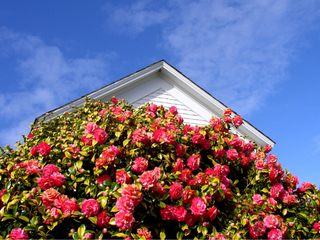
- Camellia
- Photinia
- Nandina
- Rhaphiolepis
- Viburnum

Image via Horticulture.co.uk
Frequently Asked Questions
What temperature causes frost damage to plants?
Many frost-sensitive plants can be damaged at temperatures around 0°C. Frost-hardy plants may tolerate temperatures as low as -5°C, -10°C or lower depending on the species.
Can plants recover from frost damage?
Yes. If the roots and main stems remain healthy, many plants will produce fresh growth when temperatures warm up in spring.
Should I remove frost-damaged leaves immediately?
No. Wait until the risk of further frosts has passed. Damaged foliage can provide some protection to healthy growth beneath.
Are Australian native plants frost tolerant?
Many Australian natives are highly frost tolerant once established, including Grevillea, Westringia, Correa, Callistemon, Lomandra and Dianella.

Final Thoughts
Frost is a natural part of winter gardening, but it doesn't need to be feared. Understanding frost tolerance ratings can help you choose the right plants for your climate and protect vulnerable plants when cold weather arrives.
A little preparation before a frosty night can save months of growth and help your garden emerge healthy and thriving when spring returns.