


















World Bee Day: Bee-Friendly Plants & How to Help Pollinators in Australia
Have you noticed fewer bees visiting your flowers lately?
This World Bee Day, we’re celebrating all bees — from the familiar European honey bee to Australia’s incredible native bees — and highlighting how even small gardens and balconies can make a big difference for pollinators.
After recent varroa mite challenges across Australia, supporting bee populations has never felt more important.

Australia Has More Than 2,000 Native Bee Species
While European honey bees often steal the spotlight (sure, we love their honey!), Australia is actually home to over 2,000 species of native bees that come in so many shapes, colours and personalities.
From tiny Stingless Sugarbag Bees and metallic green Peacock Carpenter Bees to Blue-Banded Bees and fluffy Teddy Bear Bees, our native pollinators are incredibly diverse — and many are vital pollinators for all plants from your veggie garden to your ornamentals.
Unlike European honey bees, many native bees are solitary and nest in hollow stems, timber or even underground. Some don’t even make honey at all — but they still play an essential role in healthy ecosystems and productive gardens.
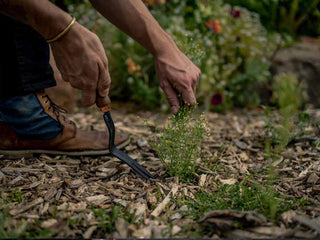
It’s not just flowers that bees need — habitat matters too. Leaving small areas of your garden a little wild, avoiding excessive mulching everywhere, and keeping hollow stems or insect hotels in sheltered spots can help provide safe nesting sites for these important pollinators year-round.

What’s Happening With Bees in Australia?
Recent varroa mite outbreaks have had a major impact on Australia’s beekeeping industry and European honey bee populations.
Varroa mite weakens honey bee colonies, making them more vulnerable to disease and environmental stress. While Australia’s native bees are not directly affected by varroa mites, any decline in pollinators can still have flow-on effects for gardens, food production and biodiversity.
That’s why planting pollinator-friendly gardens is one of the easiest and most powerful ways we can help.
Your Garden Can Help Bees Thrive
The good news? Bees absolutely LOVE flowering gardens.
By planting nectar-rich flowers and providing year-round blooms, you’re creating valuable food sources and safe habitats for pollinators.
Even a few flowering pots on a balcony can help support local bee populations.
As we mentioned in our existing guide on bee-friendly gardening, the key is choosing plants that offer:
- Plenty of nectar and pollen
- Long flowering periods
- A variety of flower shapes and sizes
- Continuous blooms throughout the seasons

Bee-Friendly Plants Bees Love
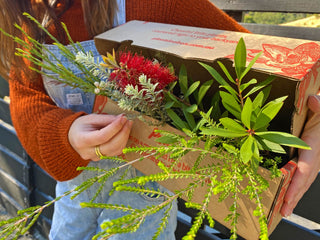
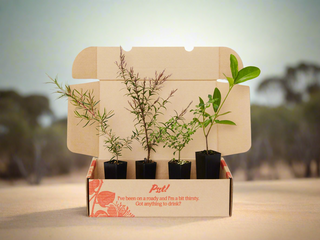
At Plants in a Box, some of our favourite bee-attracting plants include:
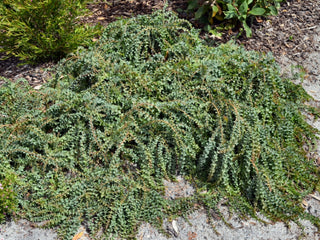
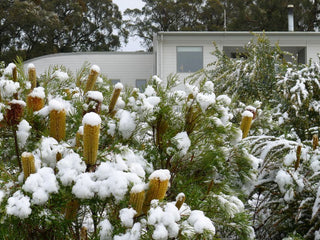
Native Favourites
These native plants are fantastic for attracting Australian native bees and other pollinators.
Cottage Garden & Flowering Herbs
- Rosemary
- Thyme
- Basil (when flowering)
- Lavender
These are especially popular with European honey bees thanks to their nectar-rich flowers. Blue Banded Bees also love these!
Flowering Climbers & Shrubs
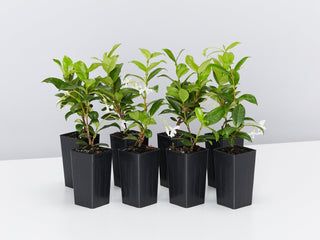
- Petrea (Sandpaper Vine)
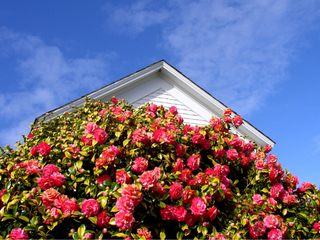
- Camellia
- Indian Hawthorn (Rhapiolepsis)
- Passionfruit
These help provide additional flowering colour with the added bonus of supporting Bee activity throughout the garden.

Small Changes Make a Big Difference
You don’t need a huge backyard to support bees......think of using some potted flowering plants or herbs on your balcony!
A few other simple actions can go a long way:
- Plant flowering natives
- Let herbs flower
- Avoid spraying pesticides during flowering
- Provide shallow water dishes with stones for bees to land on
- Create year-round flowering interest
Every flower planted helps create tiny “pollinator pit stops” for bees searching for food.
Let’s Keep the Buzz Going
This World Bee Day, take a moment to pause and notice the pollinators around you.
Whether it’s a buzzing honey bee on your lavender or a tiny native bee visiting a bottlebrush flower, your garden can become part of the solution.
Shop Bee Friendly Plants HERE